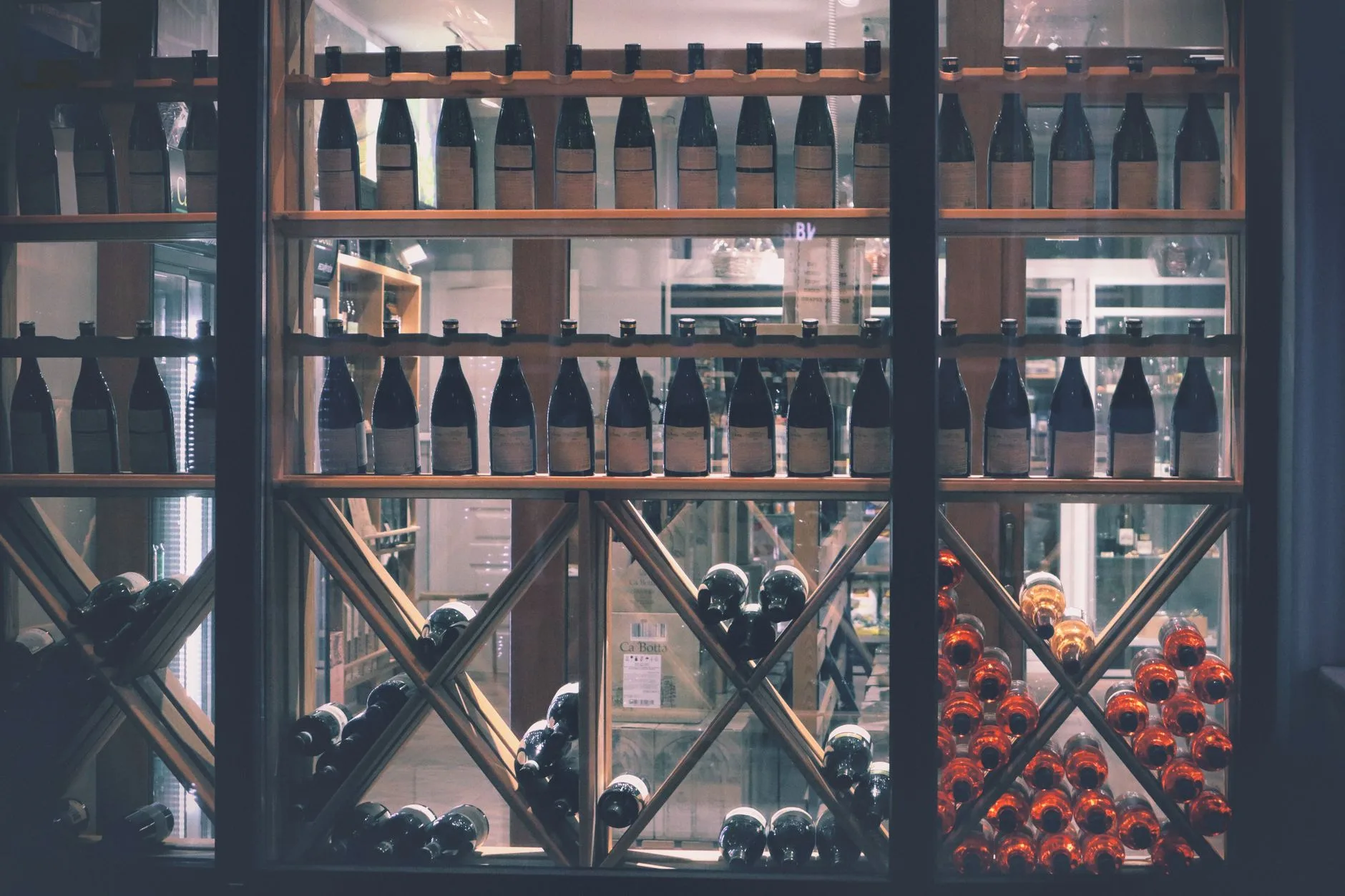
Wine quality does not rise in a straight line with price. The early steps usually make the biggest difference. A little more care in selection can move a bottle from thin, rough or anonymous to sound, balanced and recognisably made in its intended style. Further up, the gains become narrower.
That is where many buying decisions go wrong. People assume that spending twice as much should produce twice the enjoyment. It rarely works that way. Once a wine is clean, balanced and suited to the occasion, the next improvement may be a finer texture, greater detail, a longer finish or a more distinctive expression of grape and place. Those are real differences. They are not always important differences.
The useful question is not, “What is the best wine?” It is, “At what point will the next step stop mattering for this purpose?”
The steep part of the curve solves basic problems
At the lower end of a buying range, compromises tend to be easy to spot. Fruit may feel dilute. Sweetness, tannin, acidity or oak may seem disconnected from the rest of the wine. The finish may stop abruptly. A wine can be technically acceptable and still feel as though it was made to meet a target rather than offer much character.
Moving up from there often brings a noticeable improvement. The wine may have better balance, more concentration without heaviness, and a clearer sense of what it is trying to be. A dry white may feel fresher rather than merely sharp. A red may have tannin that supports the fruit rather than dries out the mouth. Sparkling wine may feel more composed, with less obvious sweetness or harshness.
This is the part of the curve worth taking seriously. It is where a buyer can avoid the common mistake of selecting solely by promotion, label design or the broadest possible discount.
Make a simple buying rule: first look for soundness and balance, then look for interest. Do not pay extra for a grand story before the basics are in place. A modestly priced bottle that is complete and appropriate is better buying than a more expensive bottle with an awkward style or no clear role at the table.
Above that point, money buys specificity more often than scale
As spending rises, the additional qualities are often less obvious. A wine may become more detailed rather than more powerful. It may show a particular vineyard character, a more restrained use of oak, a longer development before release, or a style made in smaller volume. It may also be harder to replace when it is gone.
None of those things automatically make it better for every drinker or every meal. Scarcity is not flavour. Age is not a guarantee of pleasure. A famous origin does not make a bottle suitable for a casual supper.
The upper part of the curve is often about precision. One red may be fuller and more polished than another, but the more expensive wine may instead be lighter, more savoury and less immediately obvious. One white may have more layers, but those layers may only show when it is served at the right temperature and given time in the glass.
That is why the phrase “worth it” needs a purpose attached to it. A bottle can be worth more because it offers a style that is difficult to find elsewhere. It can be worth more because the drinker enjoys subtlety. It can be worth more because it is being opened for an occasion where attention will be paid to it. Those are valid reasons. They are different from a claim that the wine is simply several times better.
Before moving up a level, name the extra quality being sought. It might be freshness in a rich white, finer tannin in a red, less overt oak, more bottle development, or a more distinctive regional style. If that cannot be named, stay closer to the point where value is still clear.
Find the flat point by comparing like with like
The easiest way to understand the curve is to compare wines that are trying to do the same job. Do not compare a light dry white with a mature, structured red and conclude that one price level is superior. They offer different things.
Instead, choose a familiar category: dry white, traditional-method sparkling wine, medium-bodied red, fuller red, sweet wine, or fortified wine. Taste two or three examples at different spending levels on separate occasions, or side by side if practical. Keep the food simple, or taste before eating. Serve them at similar temperatures.
Write down only a few observations:
- Is the more expensive wine more balanced?
- Is it more enjoyable straight away?
- Does it improve as it sits in the glass?
- Can the difference be described without referring to the label?
- Would that difference matter with the intended meal or occasion?
The final question does most of the work. A subtle difference may be compelling when wine is the point of the evening. It may disappear beside strongly flavoured food, a busy conversation or a large table where glasses are topped up without much attention.
Blind comparison is useful when possible. Cover the bottles or have someone else pour them. This is not a test of expertise. It is a way to separate the liquid from expectation. A respected name, a heavier bottle and a higher figure can make a wine seem more impressive before it has been tasted.
Spend more when the reason is clear
There are sensible occasions to move beyond the flatter part of the curve. Spend more when a specific style matters, when a bottle will be opened slowly and discussed, or when a quieter meal gives the wine room to show itself. Spend more when prior experience has shown that a particular kind of refinement is genuinely enjoyable.
Hold back when the bottle’s role is functional. Large gatherings, strongly seasoned food, mixed menus and unfamiliar preferences tend to reduce the value of small improvements. In those situations, reliable balance and enough flavour are more useful than nuance.
Avoid treating a higher figure as insurance against disappointment. It is not. The safer method is to decide what the wine needs to do, choose the style first, and only then decide whether the next step up buys something that will actually be noticed. Stop spending when the answer becomes uncertain.