Start With the Meal, Not the Grape
The fastest way to choose better wine is to stop starting with the grape. Decide what is on the plate first, and the list gets short.
Read itWhat to drink with what, where price stops buying quality, and how to walk into any shop or restaurant with a plan.
The fastest way to choose better wine is to stop starting with the grape. Decide what is on the plate first, and the list gets short.
Read it
A corporate wine gift for a large, unknown group should reduce friction, not display the sender’s taste. The bottle matters, but the delivery plan and the alternative matter first.
Read it
One bottle can give useful evidence about a case, but only if it is chosen and judged properly. Condition, consistency and a staged opening plan matter more than a guessed drinking date.
Read it
The useful record is not the most detailed one. It is the one that shows what exists, where it is, what needs attention, and what has changed after a bottle is opened.
Read itDo not open, sell or redistribute inherited wine first. Secure the room, establish authority, make a usable inventory, and inspect the bottles in that order.
Read itAn older bottle is not defined by its label alone. Its route from release to sale, and the evidence for that route, determines how much confidence it deserves.
Read it
Wine storage is not a list of equal rules. Control heat first, then temperature swings, light and cork condition; treat vibration and humidity as secondary concerns.
Read itThe usual private-cellar error is not drinking a bottle too early. It is waiting until the occasion, the confidence or the bottle itself has passed.
Read itThe quickest way to build a disappointing collection is to buy a large group of famous labels before knowing what belongs in it. Start with bottles that answer useful questions over time.
Read it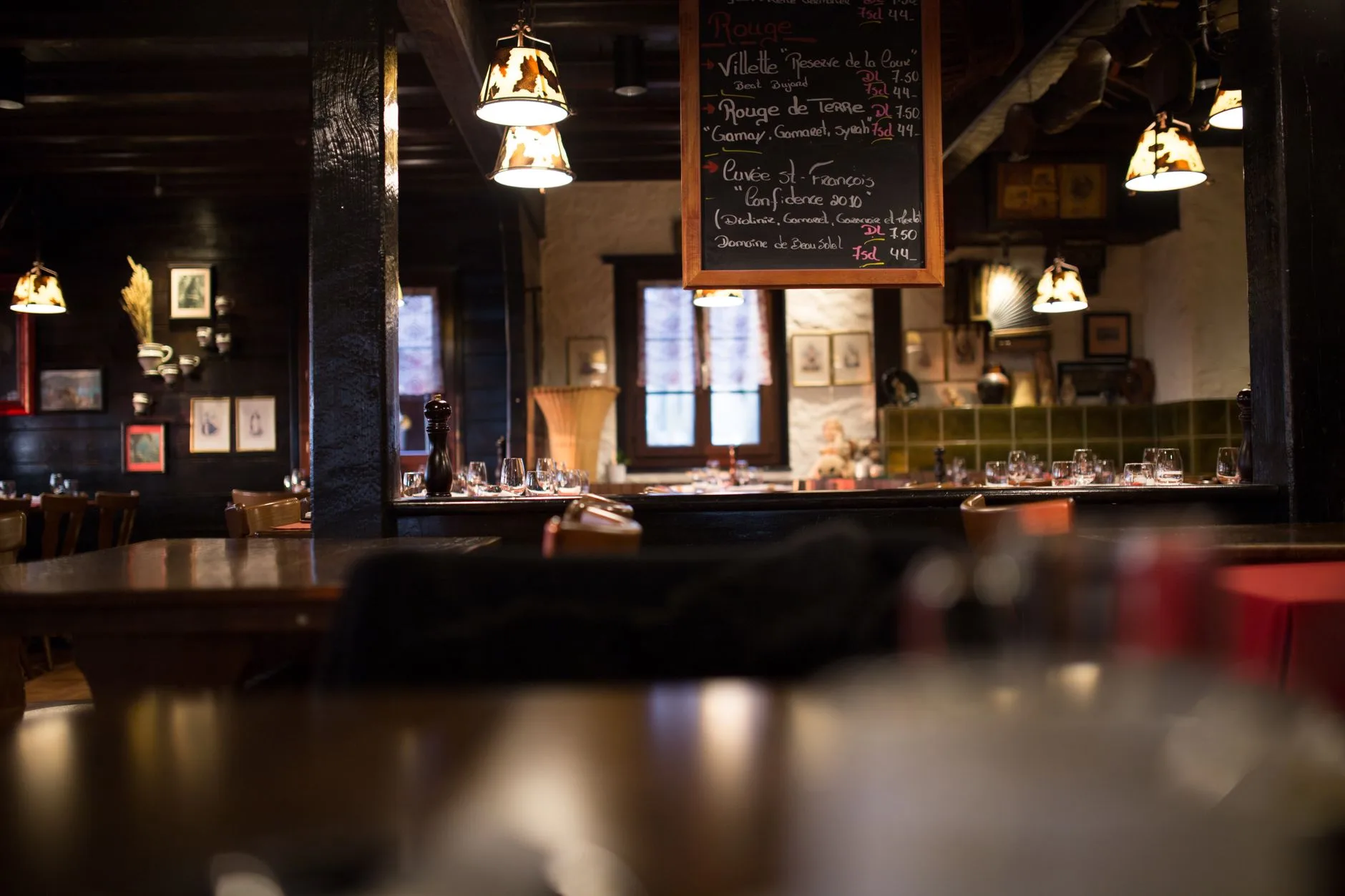
A wine list arranged by style gives guests a usable way into the page. It can shift orders from familiar defaults towards wines that suit the occasion and the table.
Read itMost guests do not want a lesson in wine. They want a clear answer that reduces the risk of choosing badly, with enough detail to make the choice feel like theirs.
Read it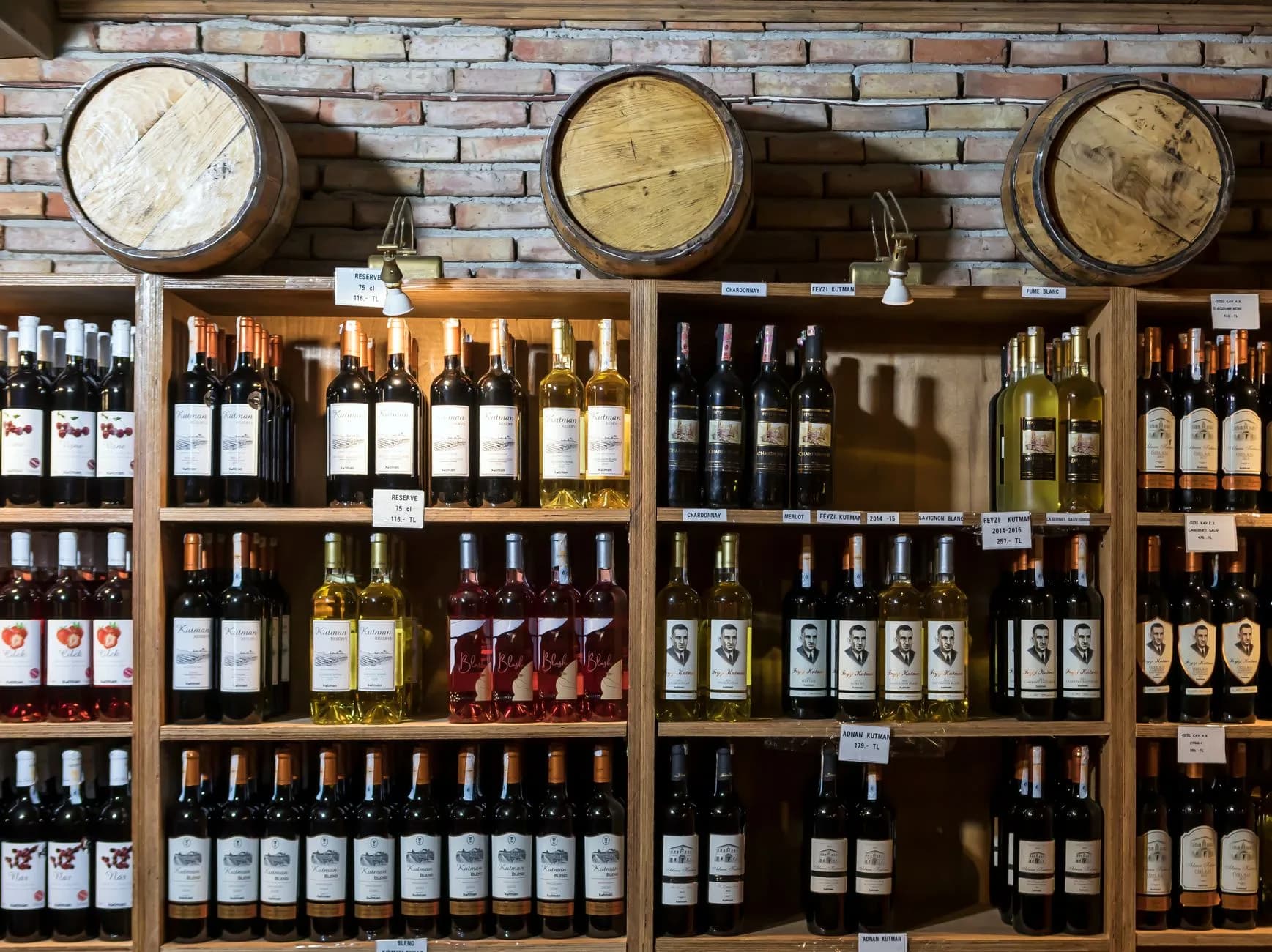
A small restaurant’s first wine list should be built to cope with changed availability and ordinary service pressure. Define what can replace each wine before the list goes live.
Read itSlow-moving bottles usually become dead stock through ordinary list decisions made without a clear exit plan. The answer is not a public sale; it is to make the wine easier to notice, explain and choose.
Read it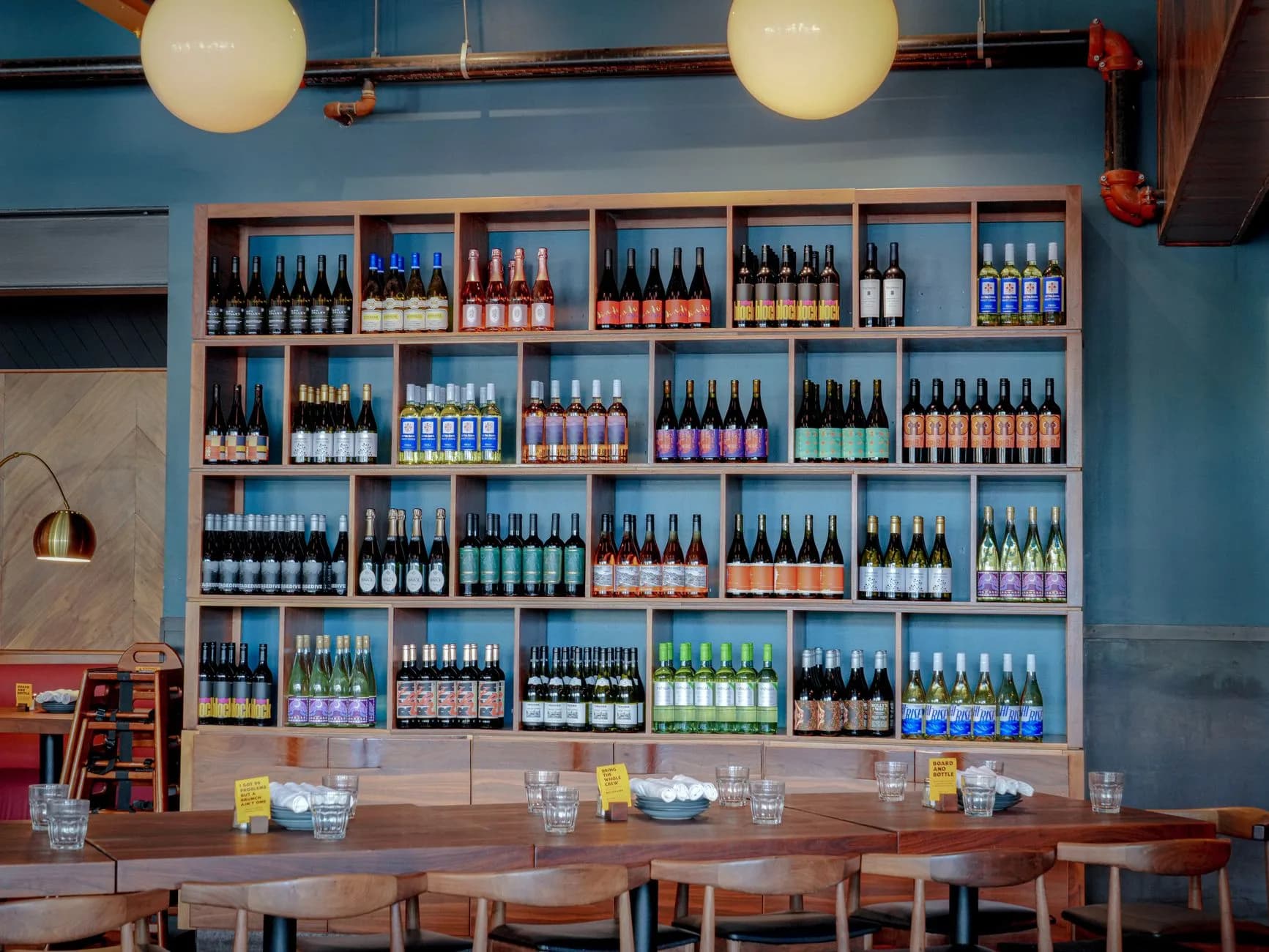
A sensible buying decision is wasted if bottles sit warm, chill too hard, or reach the table at the wrong temperature. Restaurants need a simple storage and service routine, not a larger list.
Read itApplying one multiplier to every bottle makes the upper end of a list look punitive. A lower multiplier on higher-cost wines can keep their contribution useful while making them possible to order.
Read itA wine list is part of the restaurant’s food offer, not a separate display of bottles. When the kitchen and wine list are designed apart, the gaps show up on the table and in service.
Read itServers sell wine when they can place each bottle on the list, describe its drinking shape and make a reliable alternative. Most technical detail does not help at the table.
Read it
A by-the-glass programme is not a shortened bottle list. It is a working system for pours, staff decisions, open-bottle control and repeat orders.
Read itLength is not evidence of care. A restaurant list works when guests can choose quickly, staff can explain it clearly, and the bottles on the page are actually available.
Read it
Buying twelve bottles can lower the unit cost. It can also turn a tempting offer into a cupboard full of wine that was hard to sell.
Read itMost wine is intended for drinking soon after release. A bottle worth ageing needs more than a good reputation: it needs the structure and shape to improve in the dark.
Read it
A useful home wine list needs six different jobs covered, not six labels that all do the same thing. Start with range of weight and freshness, then replenish the bottles that disappear first.
Read itNatural, organic, biodynamic and sustainable are not grades of quality. They describe different parts of how a wine was grown, made or assessed.
Read it
Online buying can widen the field and preserve a useful record. A good shop can reveal condition and fit in ways a product page cannot.
Read itThe second cheapest bottle is often chosen to avoid looking mean or extravagant. That social calculation can push the table past better options.
Read it
A score can help sort a long list. It cannot tell anyone whether a wine suits the food, the occasion or their own palate.
Read it
“A good red” is not enough information for a useful recommendation. Give a wine shop a clear job, a ceiling, and a style boundary, then ask for a reasoned choice.
Read it
Shelf position, label wording and the shape of the range reveal how a supermarket has organised wine. They can narrow a choice before any tasting note is useful.
Read itThe first steps up in a wine budget often remove obvious compromises. Beyond that, extra spending may buy a more particular wine, not a proportionately better one.
Read it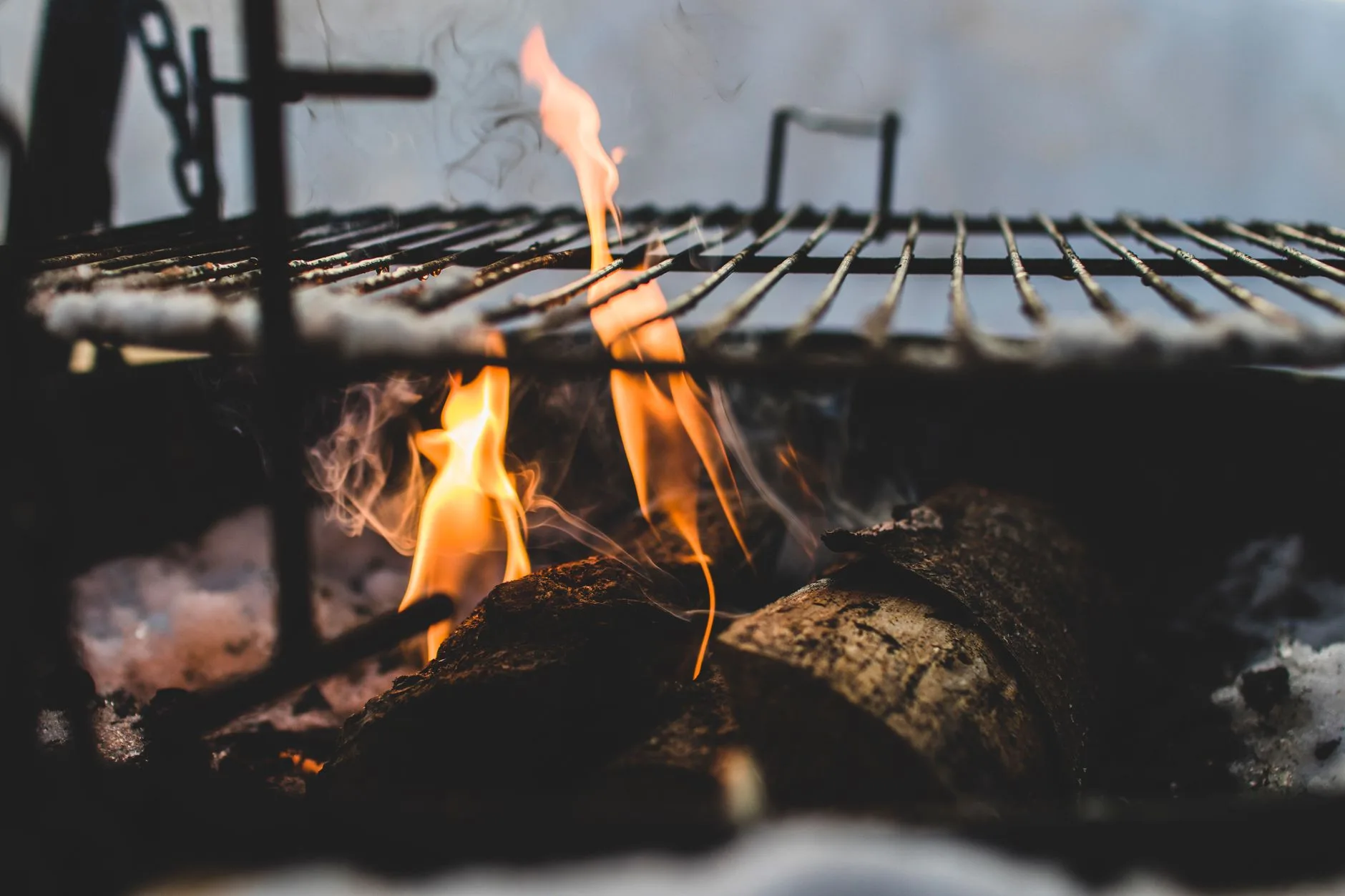
Smoke, char and rendered fat change the balance of a dish. The best grill pairings account for bitterness, heat and the way an open fire concentrates flavour.
Read it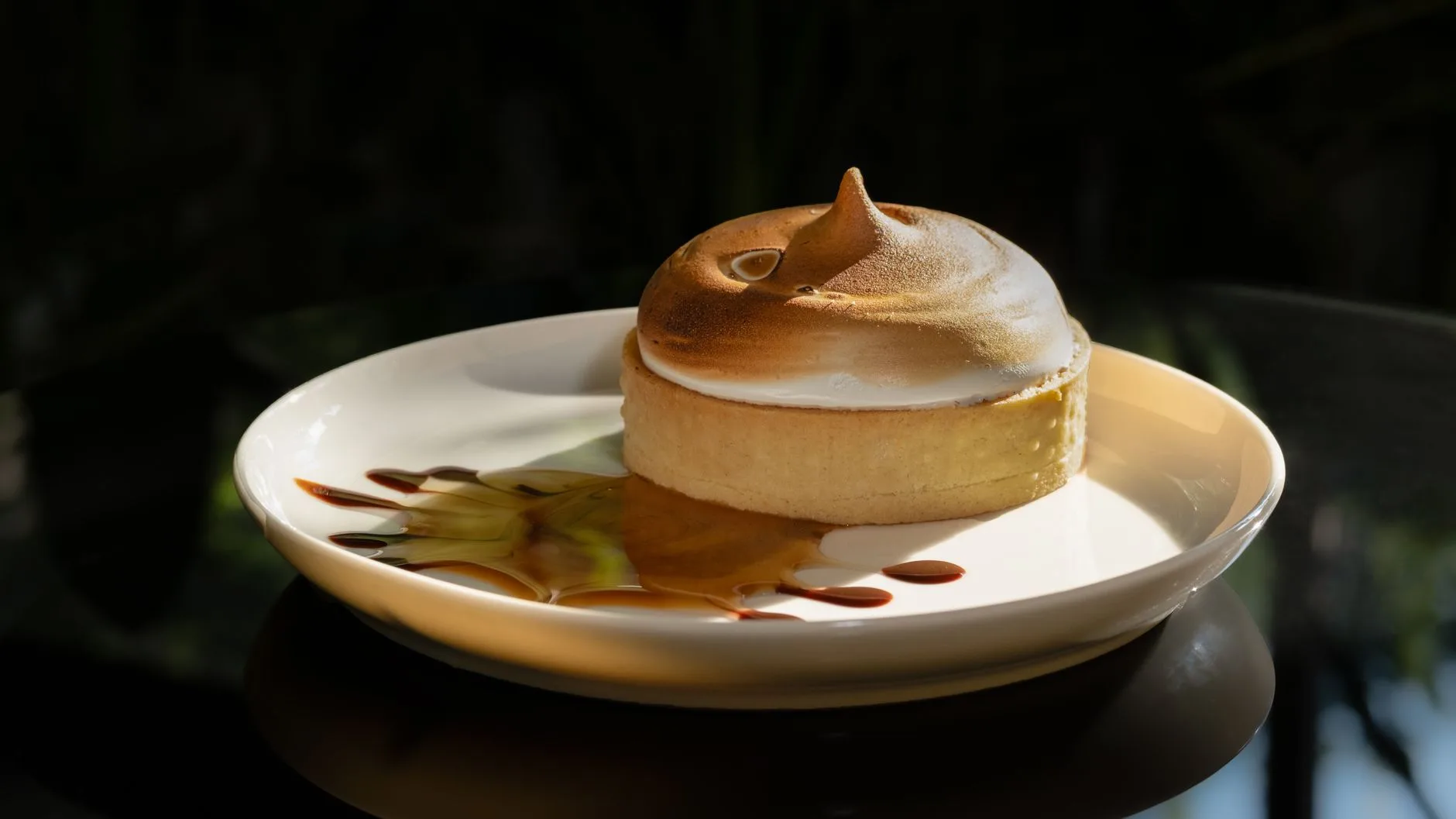
A dessert that is sweeter than its wine makes the wine seem thinner, hotter and more bitter. Treat the dessert’s sugar level as the first pairing constraint.
Read it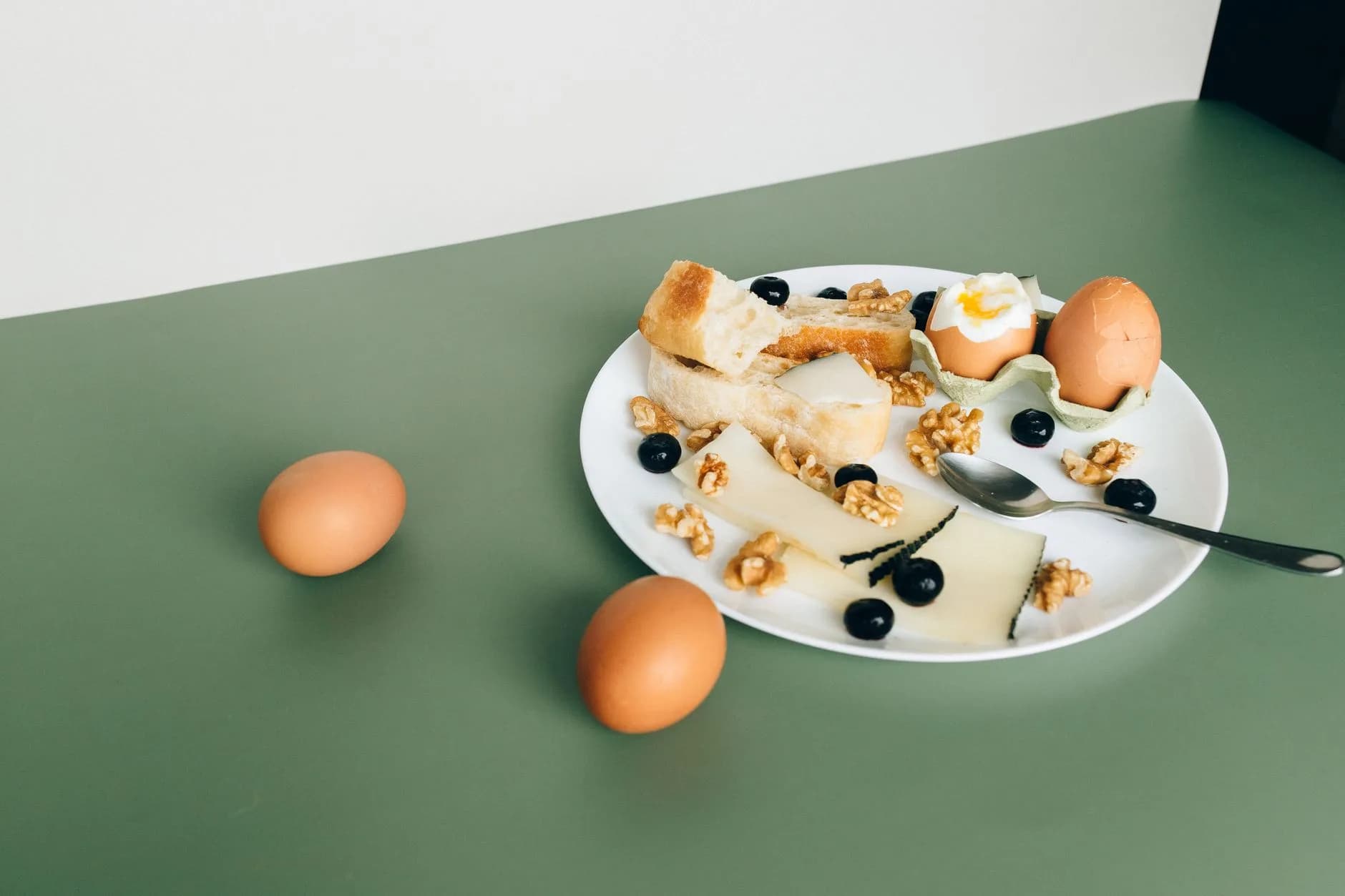
Eggs are not a blank canvas, and sparkling wine is not the automatic answer. The cooking method and the brunch additions determine whether bubbles, a still white, rosé or a light red make sense.
Read it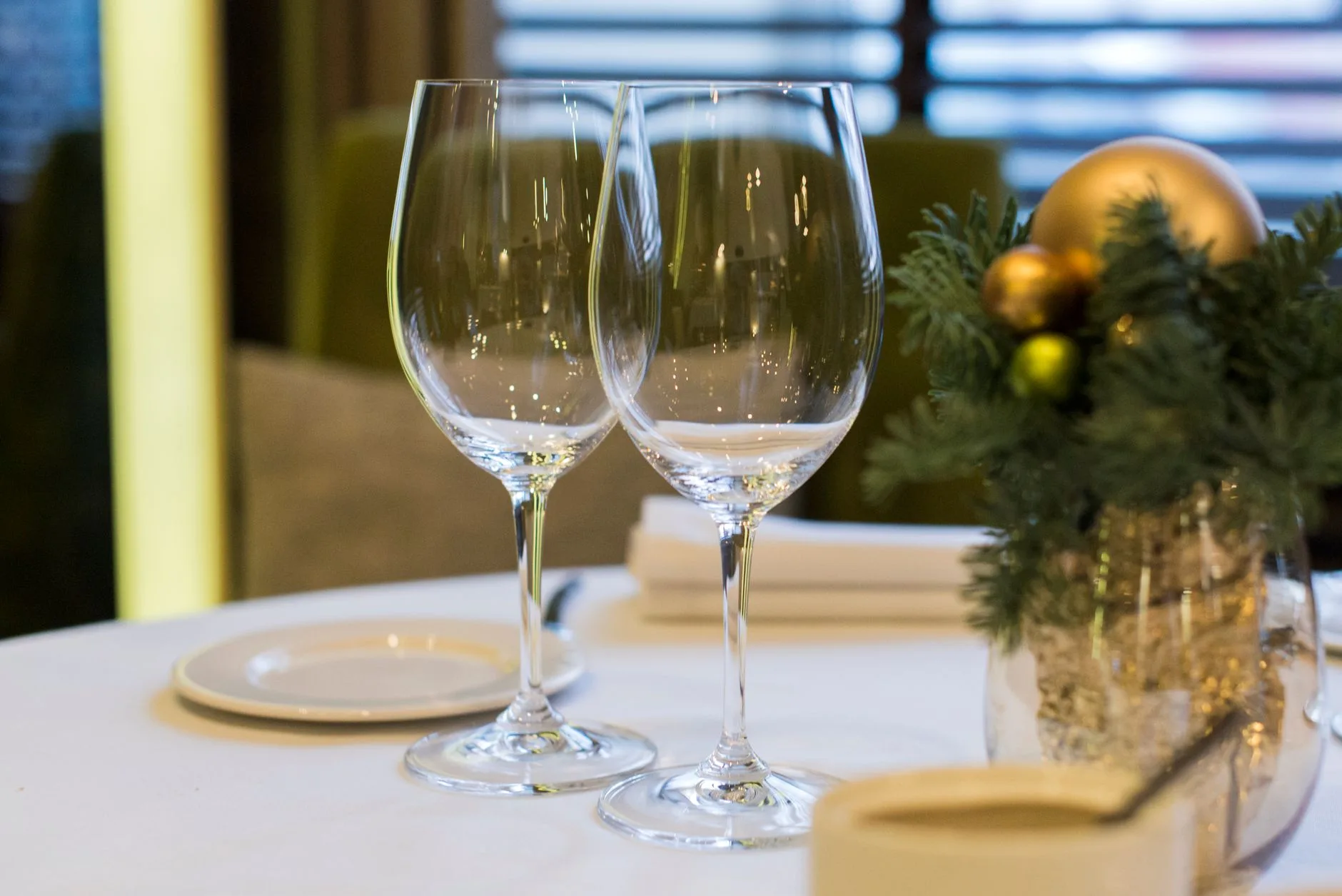
Holiday tables are not built around one main dish. Choose wine by ruling out clashes across the whole spread, then use a second bottle only where it earns its place.
Read it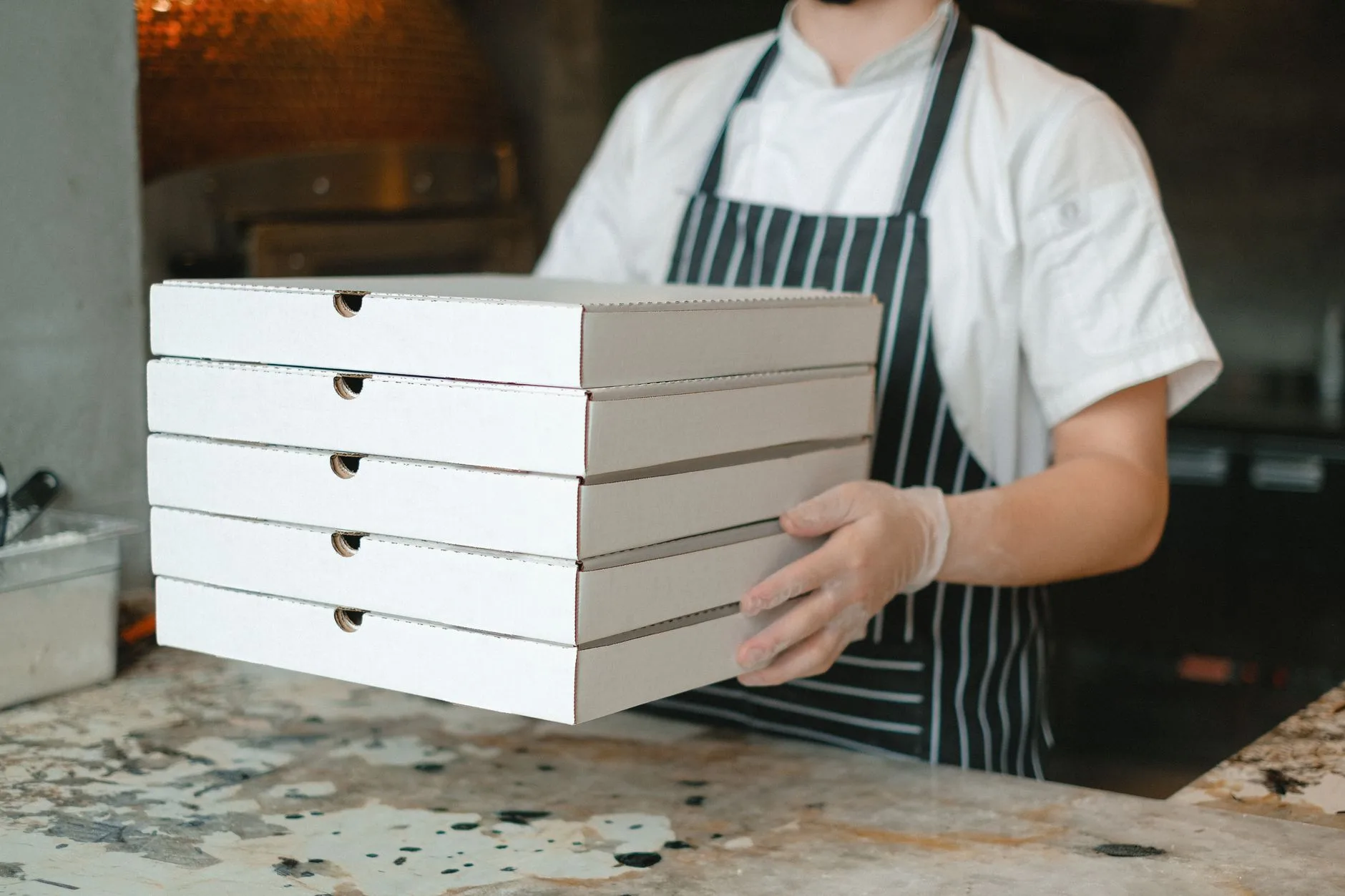
Delivery food changes on the way home. Pair wine with the version that arrives: softer, saltier, cooler and often eaten in stages.
Read it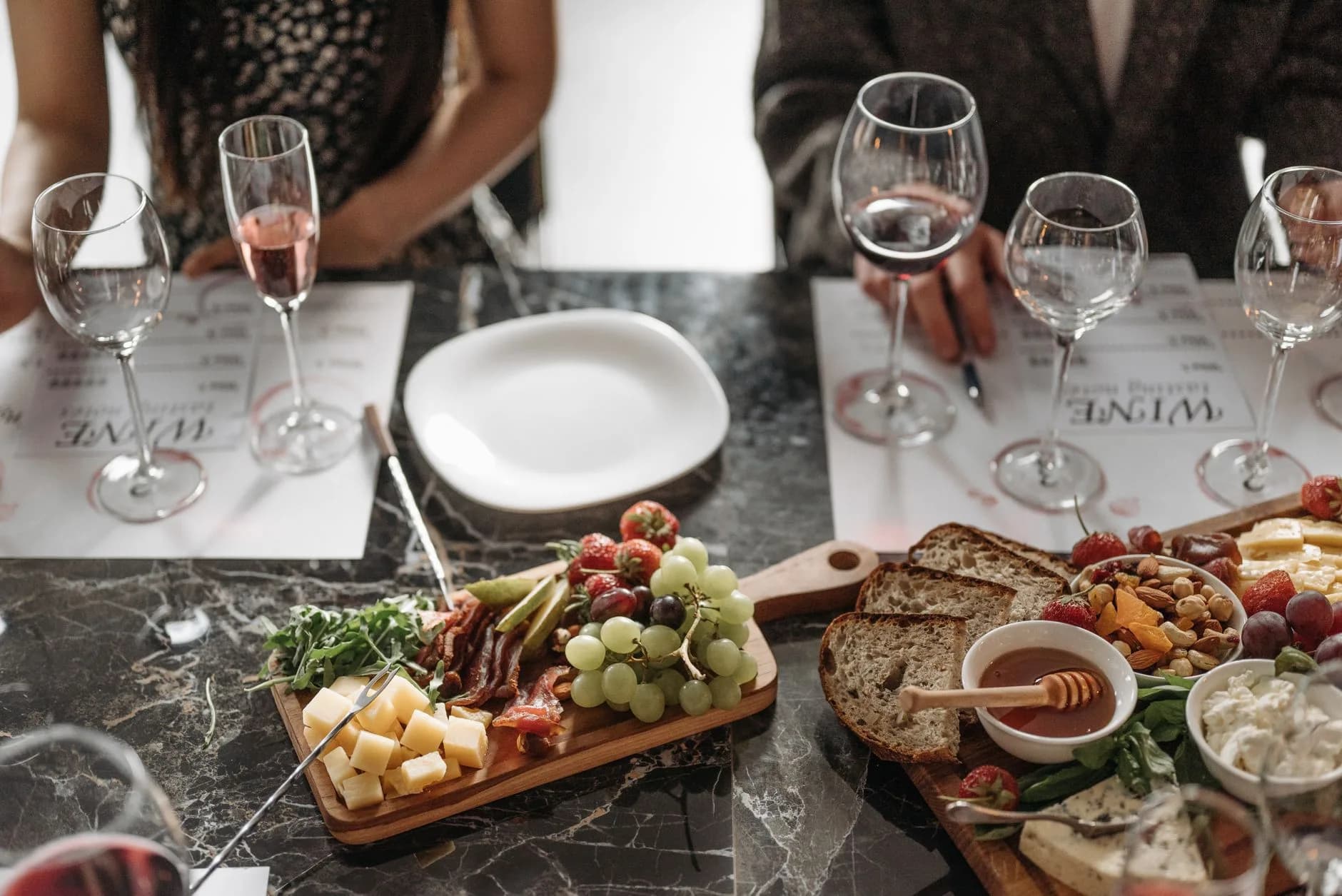
Red wine and cheese is a rule built on colour, not on how either tastes. Most cheese is better with sparkling, white or sweet wine; the useful red exception is narrow.
Read it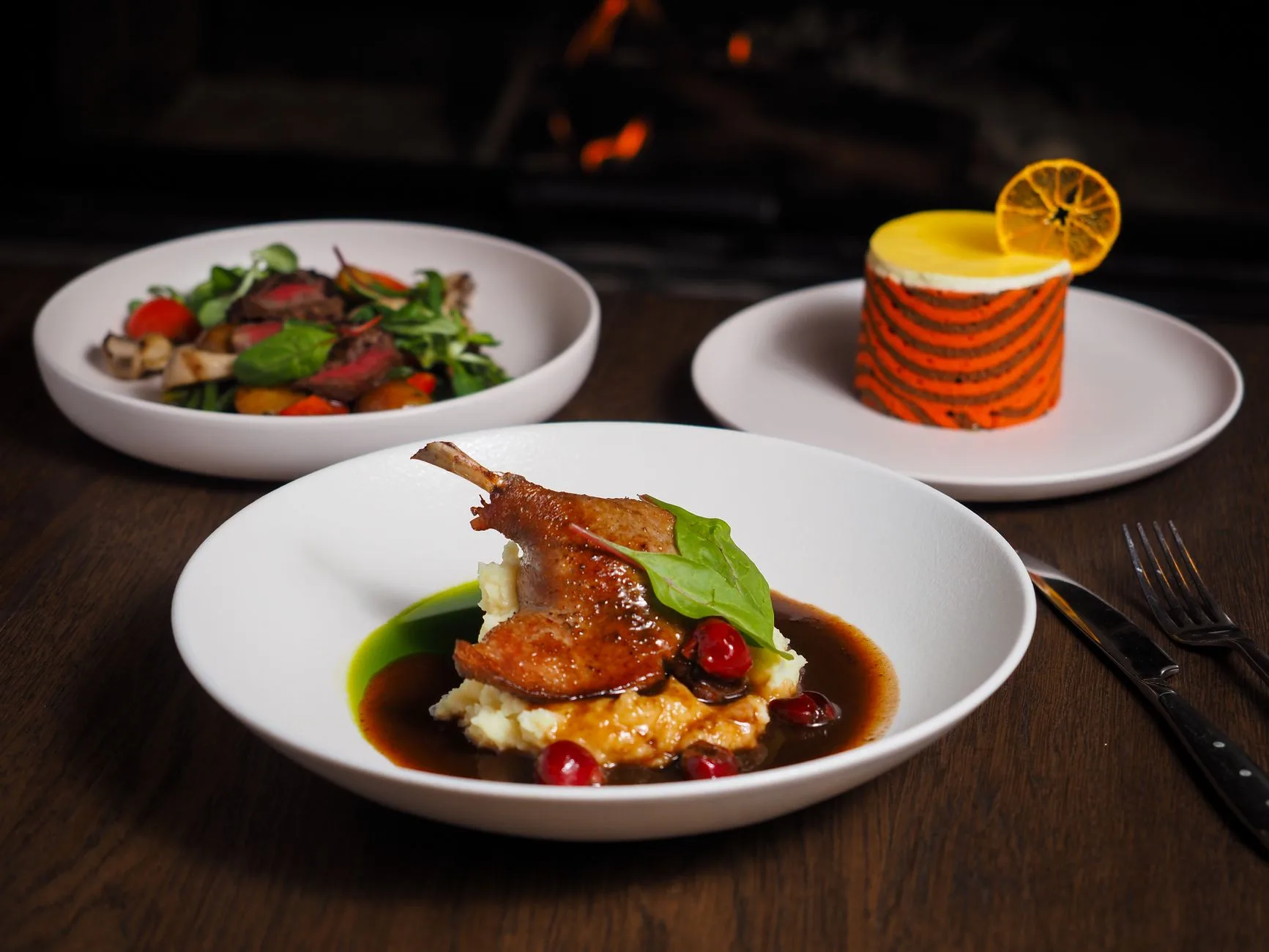
A single wine for three courses is not a compromise if the meal is built with continuity. The trick is to avoid asking the bottle to change character at every plate.
Read it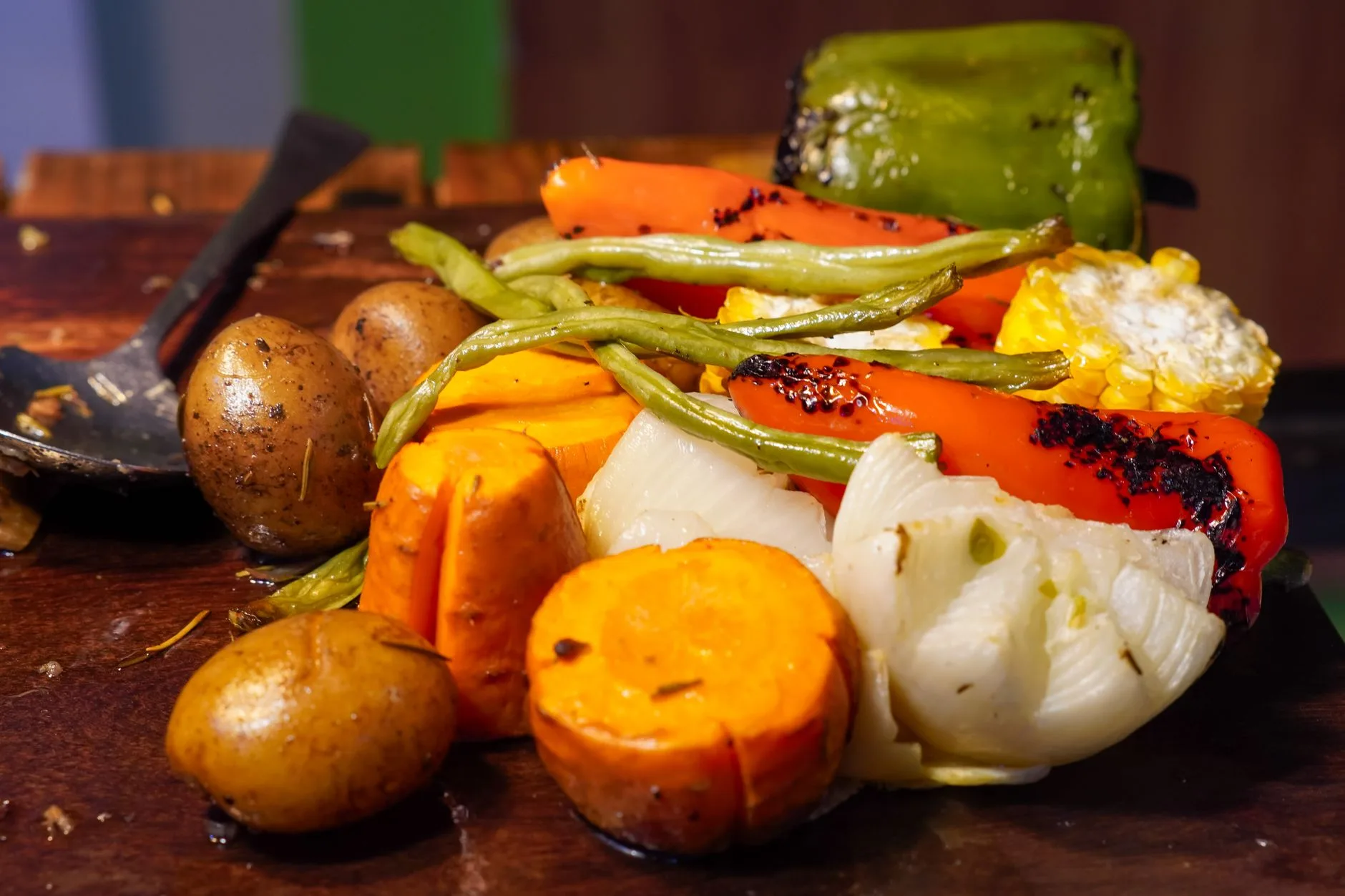
Meat is usually predictable. Vegetables bring bitterness, green flavours and soil-like notes that can make a familiar wine pairing fail.
Read it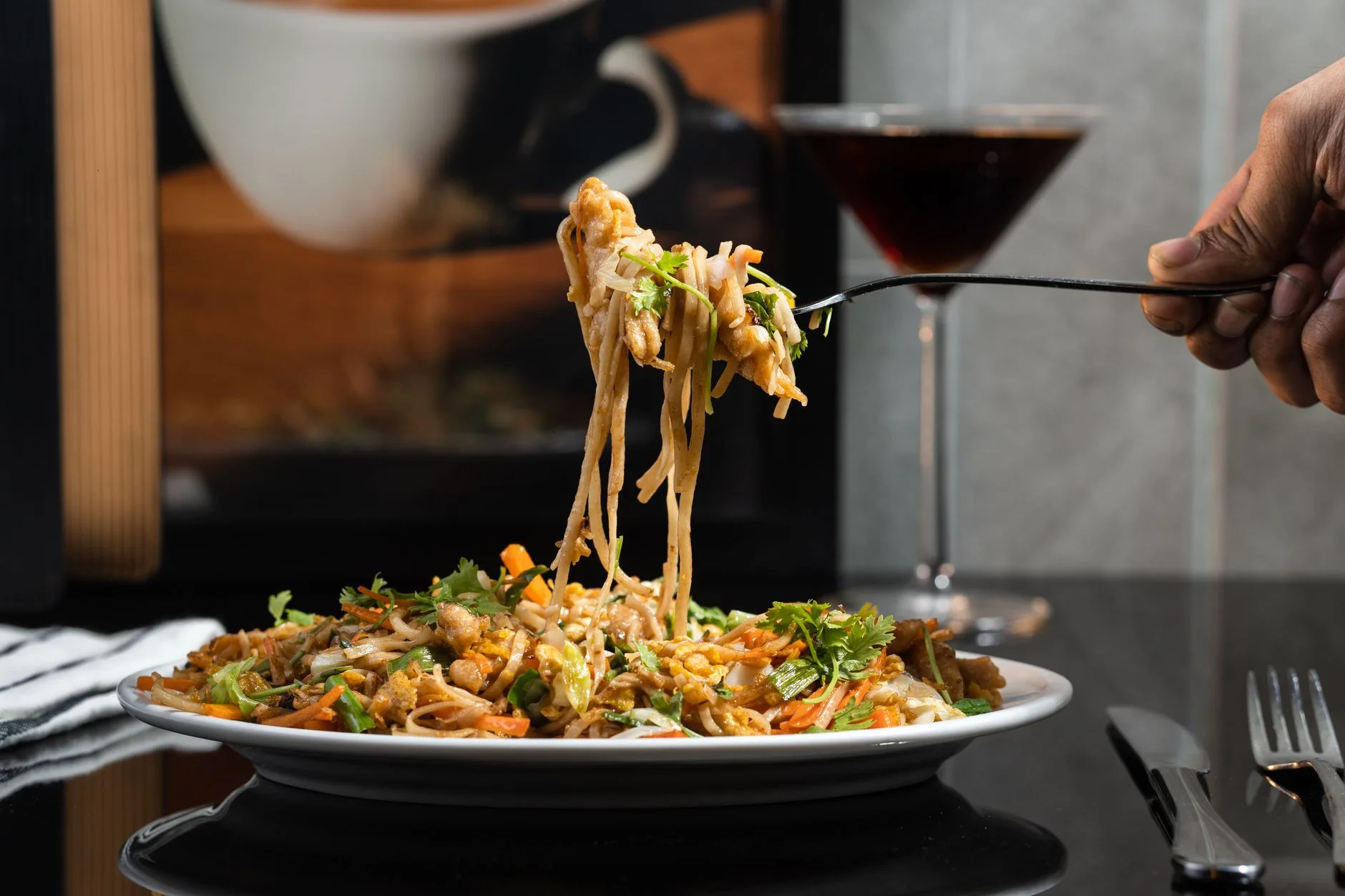
Chilli heat is intensified by alcohol and made harsher by tannin. The useful wine choices bring a little sweetness, modest alcohol and a cold pour instead.
Read it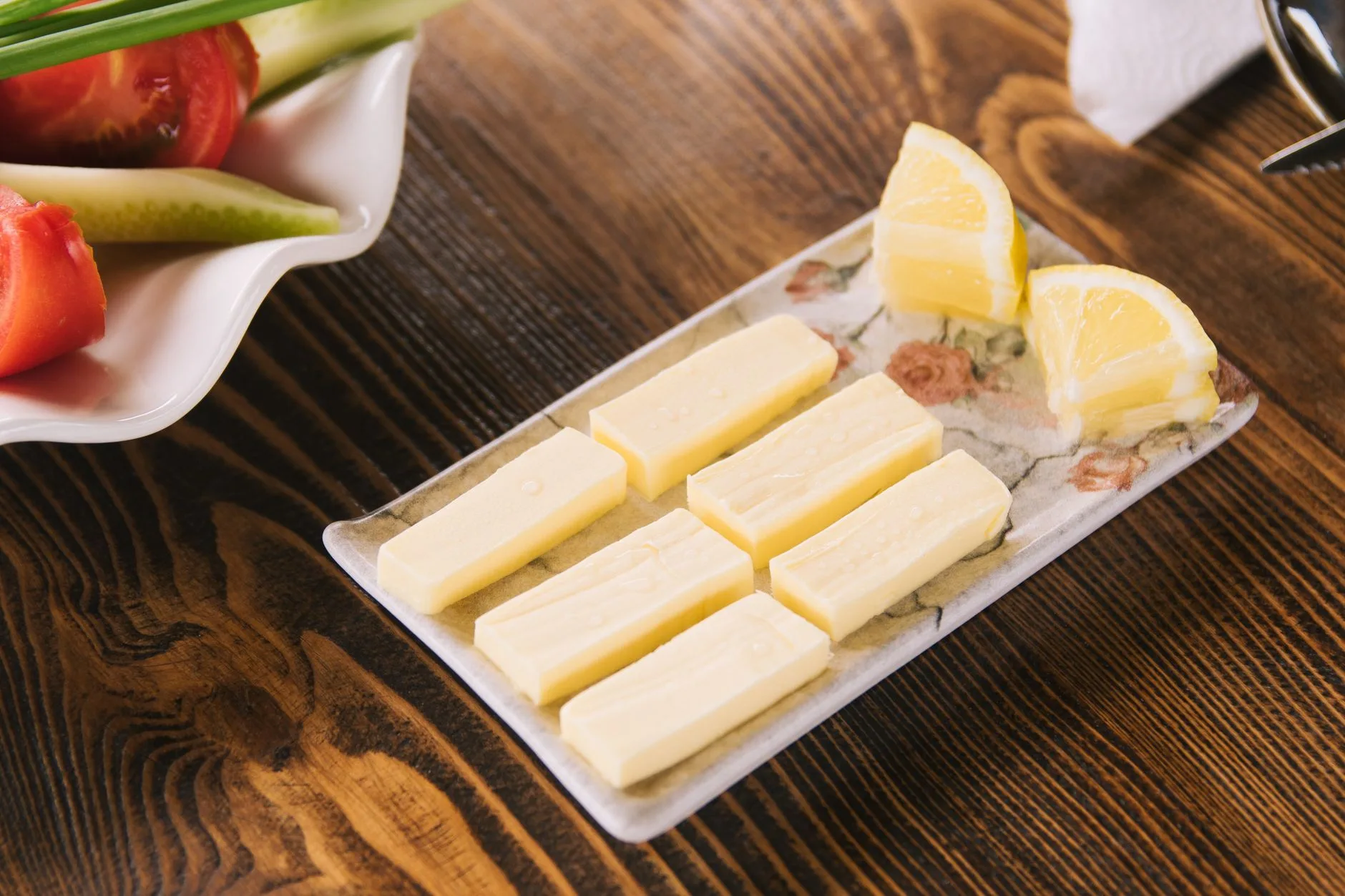
Acidity is not a decorative detail in wine. It changes how fat, salt and sweetness register, and it often decides whether a pairing feels clean or clumsy.
Read it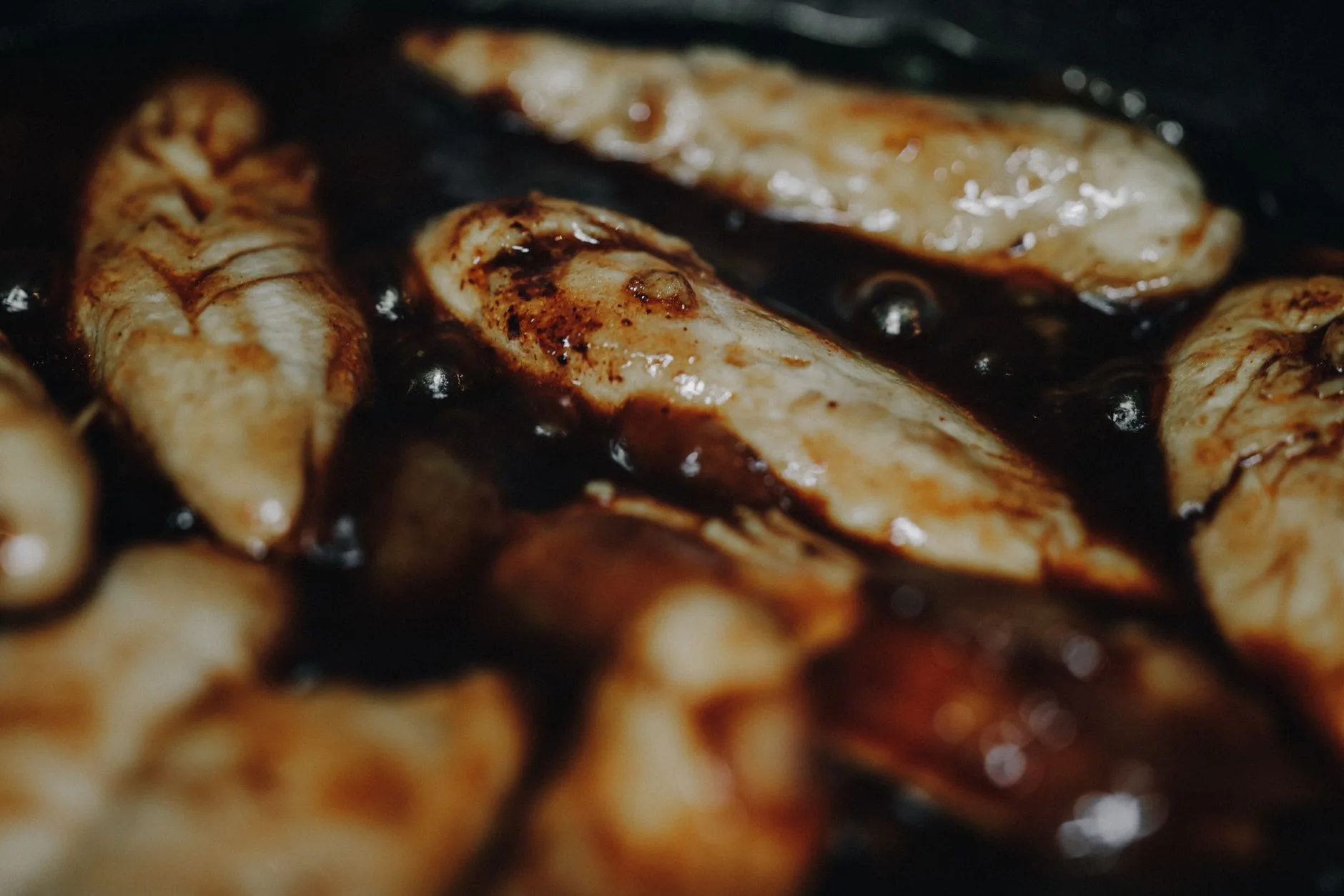
Chicken is a useful test case for pairing because its flavour changes with the pan sauce, marinade and garnish. Choose for the dominant sauce, then check how it was cooked.
Read it
Red wine with meat and white wine with fish is too crude to be useful. The useful comparison is between the weight of the wine and the richness, texture and intensity of the food.
Read itGuy's Guide to Buying Better Wine is a short, plain English guide to spending your money well: what actually changes the wine in the glass, what to ignore, and how to walk into any shop or list with a plan.