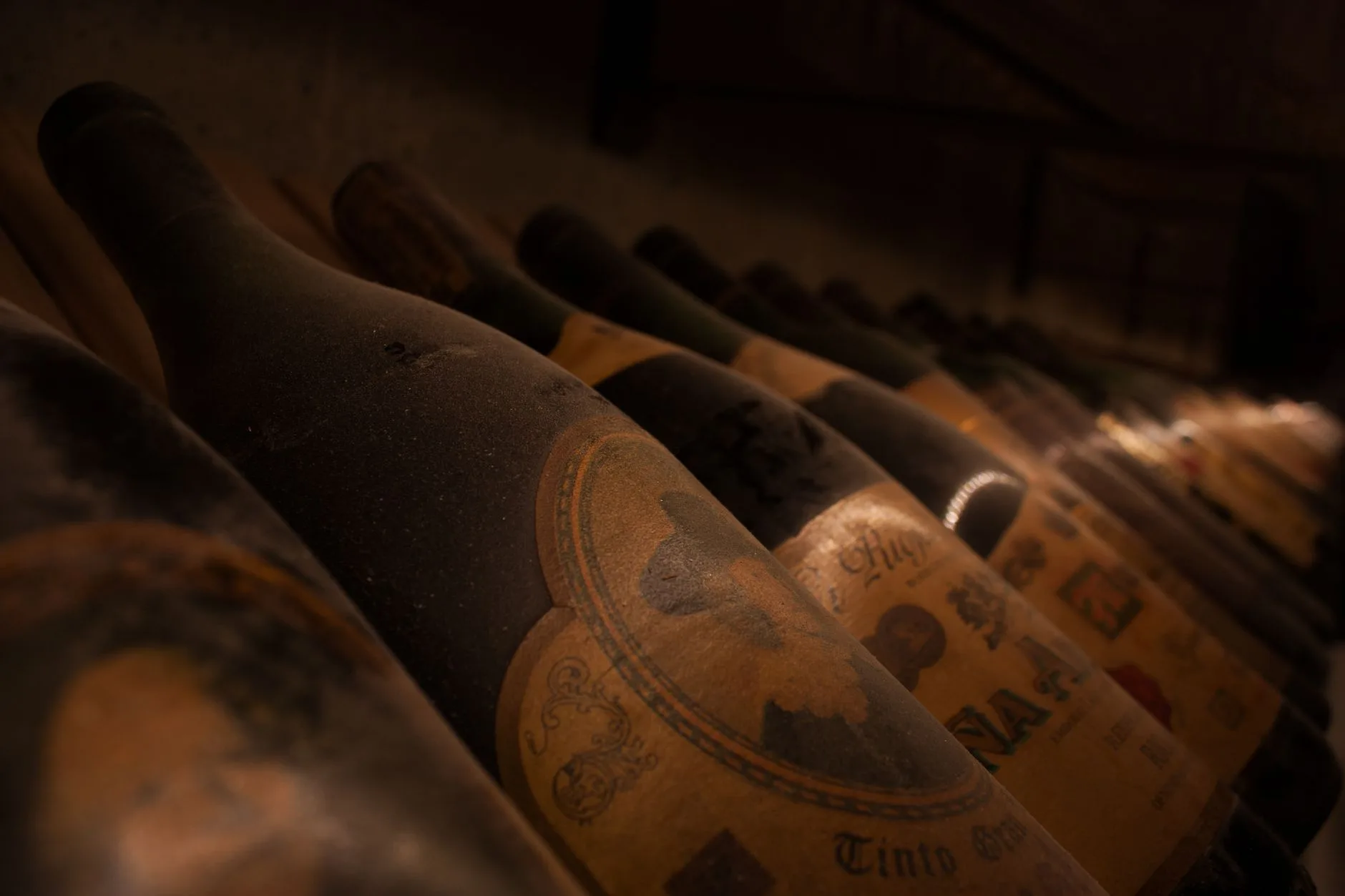
An inherited cellar should be paused before it is valued, opened, sold or shared out. The first job is not to decide what the wine is worth. It is to stop avoidable losses and create a record that can support later decisions.
A cellar is easy to disturb accidentally. Cases get split up. Bottles are handed to family members. Labels are photographed without recording where the bottle came from. A well-meaning clear-out turns an organised collection into a pile of loose items. Once that happens, working out what was there becomes slower and less reliable.
The order matters: secure the wine, establish who can decide, record what exists, then assess condition and options.
1. Secure the room and stop movement
Do not begin by carrying bottles upstairs, opening a few with dinner, or offering cases to friends. Leave the cellar as it is for the moment.
First, make the space secure. Limit access to the people who need it. If there is a lock, use it. If there is an alarm or building access system, make sure the room is not overlooked. A simple written note on the door can prevent an innocent but costly clear-out.
Then make a quick visual record without reorganising anything. Photograph each wall, rack, shelf and stack of cases. Take wider shots first, then closer images where labels, case markings or bin numbers can be read. Include empty spaces, loose bottles and damaged packaging. Capture the room's layout as well as the wine itself.
Do not pull bottles forward merely to read the label. Do not stand horizontal bottles upright. Do not wipe dusty labels clean. Dust can be unpleasant, but it is not a problem that needs solving on day one. Handling is more likely to cause damage than dust is.
Note immediate hazards separately. These include a leak, standing water, a broken rack, pests, direct daylight, a failed door, or bottles that have fallen or broken. Deal with the physical risk carefully, but do not use an emergency as an excuse to sort the whole cellar at speed. Move only what is necessary to prevent further damage, and record where it went.
The useful outcome at this stage is simple: the collection is still together, its original layout has been recorded, and access is controlled.
2. Establish who has authority to act
An inherited cellar may belong to an estate, several beneficiaries, a business, or a mixture of these. Wine can look informal because it is stored in a domestic room, but it is still an asset that should not be casually divided or sold.
Before arranging a sale, giving bottles away, or moving them to another address, establish who has legal authority to make those decisions. Keep any relevant papers with the cellar record: estate documents, instructions left with the collection, insurance correspondence, storage agreements and receipts for any off-site storage.
This step is not paperwork for its own sake. It prevents disputes later. A bottle opened at a family gathering cannot be returned to the estate. A case sent away for sale cannot be easily reconstructed if someone later asks why it was removed.
Create one folder, physical or digital, for the cellar. Put the date on every note. Record the names of anyone who enters the room, moves wine, or takes photographs. If keys are handed over, log that too. The record need not be elaborate. A dated notebook and a set of clearly named photo folders are enough to begin.
Do not assume that a note on a shelf, a handwritten list, or a verbal account is complete. Preserve those items, but treat them as leads to check against the bottles. A cellar list can be old, partial, or based on bottles that have since been consumed.
3. Make an inventory before judging individual bottles
The next task is a stocktake. This is where patience pays for itself.
Start with the cellar's physical structure: assign a simple location code to each area, such as A1 for the first rack and shelf, B3 for the third shelf on the second wall, or Floor-1 for the first stack of cases. The exact system does not matter. It must be easy to repeat.
Work location by location. For each item, record the producer or wine name as shown, region if shown, vintage if shown, bottle size, bottle count, packaging, and location code. Note whether the bottle is loose, in an original wooden case, in a cardboard case, or in another container. Photograph labels and case ends where practical.
Record uncertainty rather than guessing. If a label cannot be read, write “label obscured” and take a photograph. If a case is sealed, record what the case says and whether it remains sealed. Do not open packaging merely to complete a spreadsheet unless there is a clear reason to do so.
Also record obvious condition observations without trying to diagnose them: torn labels, missing capsules, stained cork areas, seepage, low fill levels, damaged glass, loose capsules, or signs of old water exposure. A short condition column is enough. Avoid writing “good” or “bad” at this stage. Those words are too vague to help later.
Count bottles, not just cases. A case may be incomplete. A rack space may contain a mixture of wines. Bottles tucked behind larger formats are easy to miss. Reconcile the total with any existing list only after the physical count is complete.
A usable inventory makes later choices possible. Without one, there is no dependable way to decide what should stay together, what needs closer inspection, or what can be safely released.
4. Inspect condition, then decide the route for each group
Only after the inventory is complete should the collection be divided into decision groups. Keep those groups broad at first: bottles that appear sound, bottles needing closer inspection, damaged bottles, unopened cases, and wines whose identity is unclear.
Do not assume age determines whether a bottle should be opened or sold. Do not assume a familiar name makes a bottle valuable. Do not assume an unfamiliar label is worthless. Bottle condition, format, storage history, completeness of cases, and the nature of the wine all affect the practical options.
For sound bottles, the next decision may be to retain, distribute, open, or sell. For bottles with visible problems, photograph the issue and keep them separate from sound stock. For damaged bottles, avoid passing them around for informal inspection. More handling can make a weak cork or compromised bottle worse.
When considering sale, do not send a few photographs and accept the first broad estimate as a basis for emptying the cellar. Provide the completed inventory, clear images, location notes, and condition notes. Ask for any proposed terms and deductions in writing. Keep cases intact unless there is a reason not to. Splitting a group before understanding it is often irreversible.
When considering opening bottles, begin only after the inventory has captured them. Mark each bottle removed from the list, with the date and reason. The same applies to gifts and family distribution. A cellar record stays useful only if it is updated.
The practical first move is therefore not a valuation or a celebration. Lock the room, photograph it in place, start a location-based inventory, and do not let a bottle leave the record unmarked.