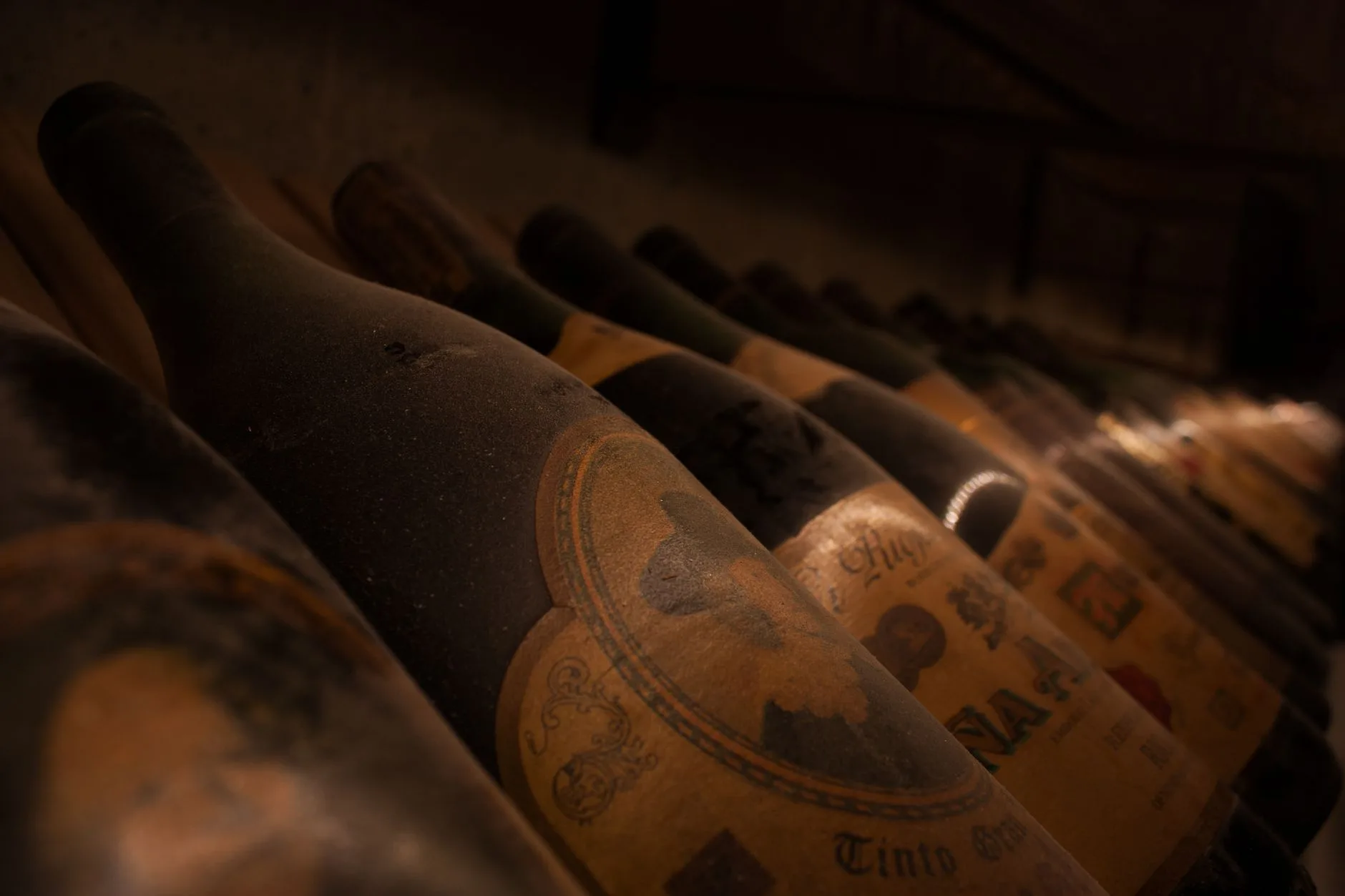
A case is not a single object with a single moment of readiness. It is a group of individual bottles that have travelled, been stored and sealed slightly differently. The aim is not to identify an imaginary perfect day. It is to decide whether to leave the case alone, begin opening it, or move more quickly through it.
Opening every bottle to answer that question is plainly wasteful. Opening one bottle without a method can be nearly as unhelpful. A sound decision comes from reading the physical evidence, choosing a useful first bottle and treating its performance as evidence rather than a verdict.
Define what “ready” means before testing a bottle
Ready does not simply mean old. It means the wine is likely to suit the purpose for which it is being opened.
A wine may be ready because its fruit, structure and development are in balance. Another may be ready because its fresh character is still intact and that is the point of the style. A bottle can also be mature but not especially enjoyable, or still energetic but already more useful at table than it will be later.
This matters because a case should not be tested against a generic idea of maturity. Start with the style of wine in front of you. Wines built around firm tannin, marked acidity or substantial concentration often need time for those elements to settle into the whole. Lighter wines, wines made for fragrance and freshness, and wines with modest structure may offer less benefit from further waiting. Fortified and sweet styles need their own assessment; their development does not follow the same pattern as dry table wine.
Put the case into a simple working category before pulling a cork: likely youthful, approaching maturity, in a mature phase, or potentially fading. This is not a prediction of quality. It is a starting hypothesis to test.
Avoid turning a printed date, a critic's view or a broad regional rule into a command. Those can be useful background, but they cannot account for the condition of the actual bottles in the case.
Inspect the group, not just the chosen bottle
Before opening anything, look at every bottle that can be examined without disturbing the case unnecessarily. The most useful information is comparative.
Check fill levels. One low fill level among otherwise similar bottles deserves attention. Several bottles at a similar level tell a different story. Look for seepage under the capsule, staining around the cork, sticky glass, pushed corks and signs that labels or capsules have been repeatedly wet. None of these proves what the wine tastes like. They are signals that one bottle may not represent the others.
Compare the glass where possible. Sediment is not, by itself, bad news. It is common in wines that have spent time in bottle. What matters is whether bottles appear broadly similar or whether one looks markedly different from its neighbours. Do not shake a bottle to inspect it. Stand it upright well before opening so sediment can settle naturally.
Set aside obvious outliers. A bottle with seepage, a noticeably low level or a damaged closure may be worth opening sooner, but it should not be used as the sole judge of the case. Equally, the most pristine-looking bottle should not automatically be the test bottle if the rest show a different condition.
Choose a bottle that sits near the middle of the group: ordinary fill level, ordinary capsule condition, no unusual marks and no clear reason to think it has had a separate history. That gives the best chance of learning something useful about the case rather than about one exception.
Make the first opening a proper test
The first bottle should be opened on an occasion when it can be followed over time. A quick pour, a hot room, heavily flavoured food or a rushed verdict tells little about maturity.
Stand the bottle upright beforehand. Open it carefully and inspect the cork as it comes out, but do not mistake cork appearance for a diagnosis. A fragile cork can come from an otherwise sound bottle. A clean-looking cork does not guarantee that the wine is fresh.
Pour a small glass first. Note whether the wine is clean, whether the fruit and savoury development are in proportion, and whether tannin, acidity or sweetness feels integrated rather than separate. Then return to it during the meal or over a measured period. Some wines need air to show themselves. Others lose shape quickly once opened. Both observations are relevant.
Be cautious with dramatic interventions. A mature bottle does not automatically need long decanting, and a young-looking bottle does not automatically need it either. If the wine seems tight, give it time in the glass before making a larger decision. If it already seems delicate, keep it in bottle and pour smaller amounts rather than exposing the whole bottle at once.
Separate three outcomes. First, the bottle may be sound but plainly youthful: the structure is dominant and the elements have not yet joined up. Second, it may be in a useful drinking phase: it has development, balance and enough energy to hold interest. Third, it may be fading: the fruit is thinning, the shape is loosening or the finish is shortening. A fourth outcome is possible too: the bottle may simply be flawed. A flawed bottle is evidence about that bottle, not automatic proof that the case has failed.
Turn one result into a small opening plan
Do not react to one bottle by opening the rest at once. Bottle variation exists, especially where age, cork condition or storage history may have introduced differences. The better response is a second check, spaced sensibly and chosen deliberately.
If the first bottle is youthful and sound, leave the case undisturbed and test another representative bottle later. If it is in a good place, begin opening bottles gradually rather than saving the whole case for a future occasion that may never arrive. If it is fading, move the case into the near-term opening group and avoid treating every remaining bottle as a candidate for further cellaring.
If the first bottle is flawed, choose another bottle that is physically similar to the majority, not another obvious outlier. If the second bottle is also tired or damaged, the case deserves closer attention. If it is sound and lively, treat the first result as bottle-specific.
Keep different formats separate in the decision. A larger bottle and a standard bottle should not be expected to develop in exactly the same way, even when they contain the same wine. Likewise, bottles with visibly different condition should be opened according to their own risk, not according to the best bottle in the case.
The practical rule is simple: inspect the group, open the most representative bottle, give it enough time to show itself, then make the next opening decision in small steps. That preserves the case while replacing guesswork with evidence.