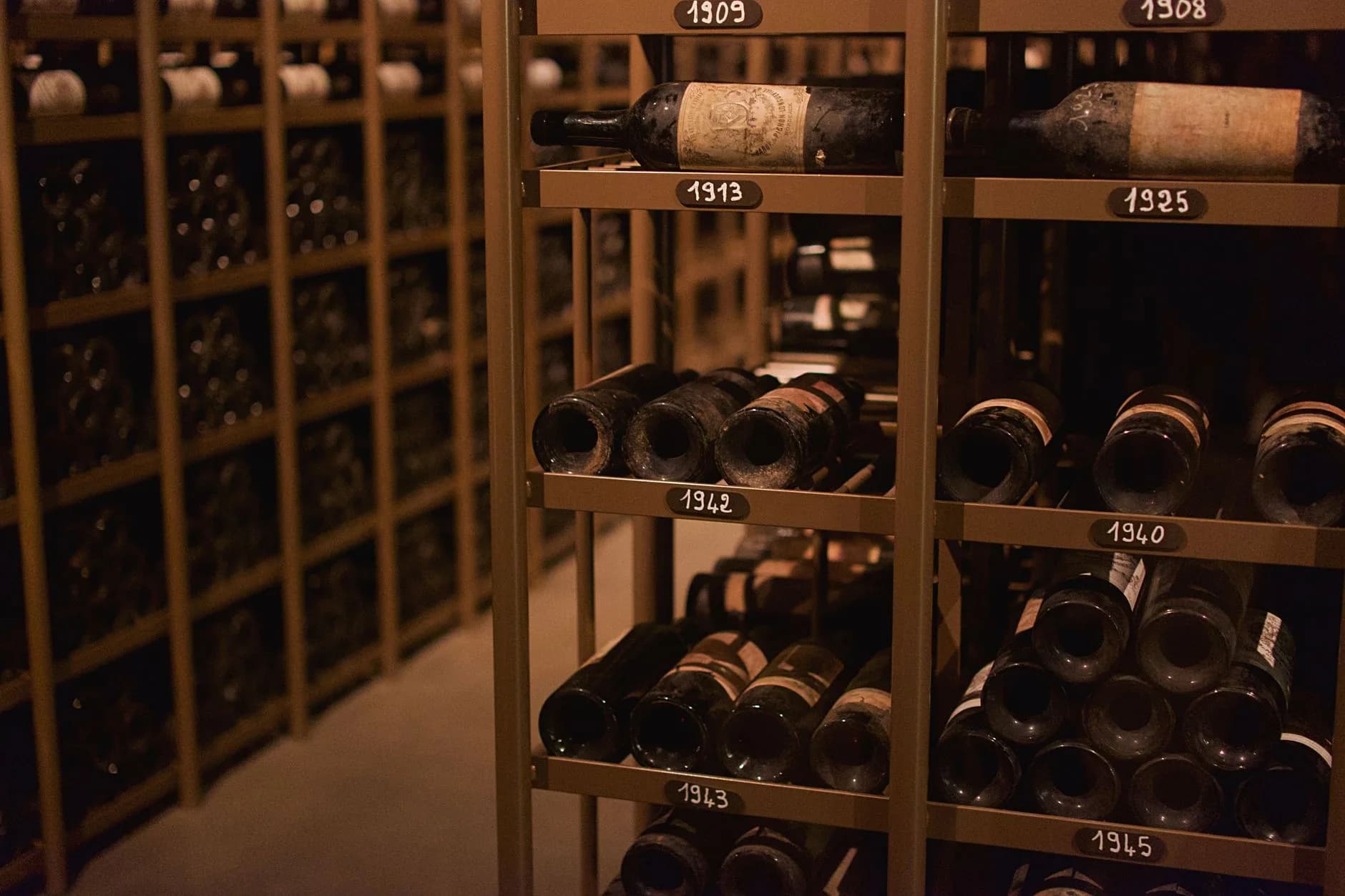
A cellar record should answer four questions quickly: what is there, where is it, what is different about it, and what should happen next. Anything that does not help answer one of those questions is usually busywork.
The aim is not to build an archive for its own sake. It is to avoid buying bottles already forgotten, losing track of bottles moved between racks, and leaving useful wines unopened because no one can see them clearly.
Start with a record that identifies the actual bottle
A collection needs a single working list. It can be a spreadsheet, a cellar app, or a database. The format matters less than the discipline of keeping one version current.
For each entry, record the information needed to find and distinguish the wine:
- the wine name as it appears on the label
- vintage, or a clear note that it is non-vintage
- region or appellation
- bottle size or format
- number of bottles
- exact storage location
- date acquired
- a purchase reference, such as an invoice number or folder name
The storage location must be precise enough for somebody else to find the bottle. “Cellar” is not a location. “Rack B, shelf 3, left side” is. If bottles move, update the record at the time they move. A location field that is usually wrong is worse than no location field, because it creates a search every time a bottle is wanted.
Use one naming convention and keep it. Do not alternate between a shortened wine name, an importer description, a region name, and a label transcription. Search only works when the same wine is recorded the same way each time.
It also helps to treat a group of identical bottles as one line only while they remain genuinely identical. A six-bottle case stored together can sit on one line. Split it between two locations, open one, or separate bottles with different histories, and the record should reflect that change.
Record the details that change a decision
Identification is the foundation. The next fields should help with a practical choice: whether to leave the bottle alone, check it, serve it, or make room for it.
A short “next action” field is often more useful than a supposed drinking window. Use plain prompts such as:
- leave for now
- check again in a year
- open on a quiet dinner
- hold for a larger table
- compare with another bottle
- inspect the condition before planning it
This is not a prediction of a wine’s future. It is a working instruction based on the collection’s own priorities. It can be revised without pretending that a bottle follows a fixed timetable.
Record condition when there is something worth recording. A damaged label, seepage, a displaced cork, an unusually low fill level, or a bottle that has been separated from its original group may affect how it is handled. A brief note is enough. There is no need to write a condition report for every sound, unopened bottle at every count.
Opening notes deserve a place too, but they should be short and useful. Record the date, the people or meal context if that matters to future planning, and one or two observations that would change a later decision. For example: the bottle was more developed than expected; it needed a long time after opening; the group preferred it with food rather than on its own; or another bottle from the same group should be checked sooner.
That is better than trying to produce a formal tasting note. The point is to learn from the collection, not to imitate a review.
Keep financial and administrative records separate
Some collections need records beyond the drinking list. Insurance, estate planning, household accounts, or a shared ownership arrangement may require supporting documents. Keep those documents, but do not turn the working cellar list into a filing cabinet.
A clean method is to keep the cellar record focused on bottles and actions, then link each entry to a separate folder or reference number. That folder can hold invoices, correspondence, photographs of labels where needed, and other paperwork.
This separation makes the active list easier to use. It also reduces the temptation to fill every bottle entry with information that is rarely consulted.
If the collection is shared, record who may update the list and what counts as an update. Opening a bottle changes the count. Moving it changes the location. Giving one away changes the count and the history. These are small changes, but an inventory becomes unreliable through small changes left unrecorded.
Leave out the information that creates work without clarity
The most common busywork is copying information that does not alter an action. Long producer histories, technical winemaking details, vineyard maps, critic descriptions, and scores may be interesting, but they do not help locate a bottle or decide what to do with it.
Avoid fixed, overly precise opening dates. A note that says “review in 2027” is more honest and more useful than a confident instruction that a wine must be opened in one particular month. The review date creates a task. The false precision does not.
Do not make every entry carry a full tasting vocabulary. A collection of notes describing colour, aroma, texture, and finish becomes hard to maintain and hard to scan. A simple record of what happened when the bottle was opened is enough.
Photograph labels only when a photograph solves a real identification or condition problem. Photographing every bottle creates a second archive that must be named, stored, and searched. Most of the time, the label name, vintage, format, and location do the job.
Finally, do not wait for a perfect inventory before using the collection. Start with what can be verified in one section of the cellar. Add the basic fields. Mark uncertain entries as uncertain rather than guessing. Then make one small routine: whenever a bottle is opened, moved, or split from a group, update the record before the day ends.