Photograph by Anna Shvets on Pexels
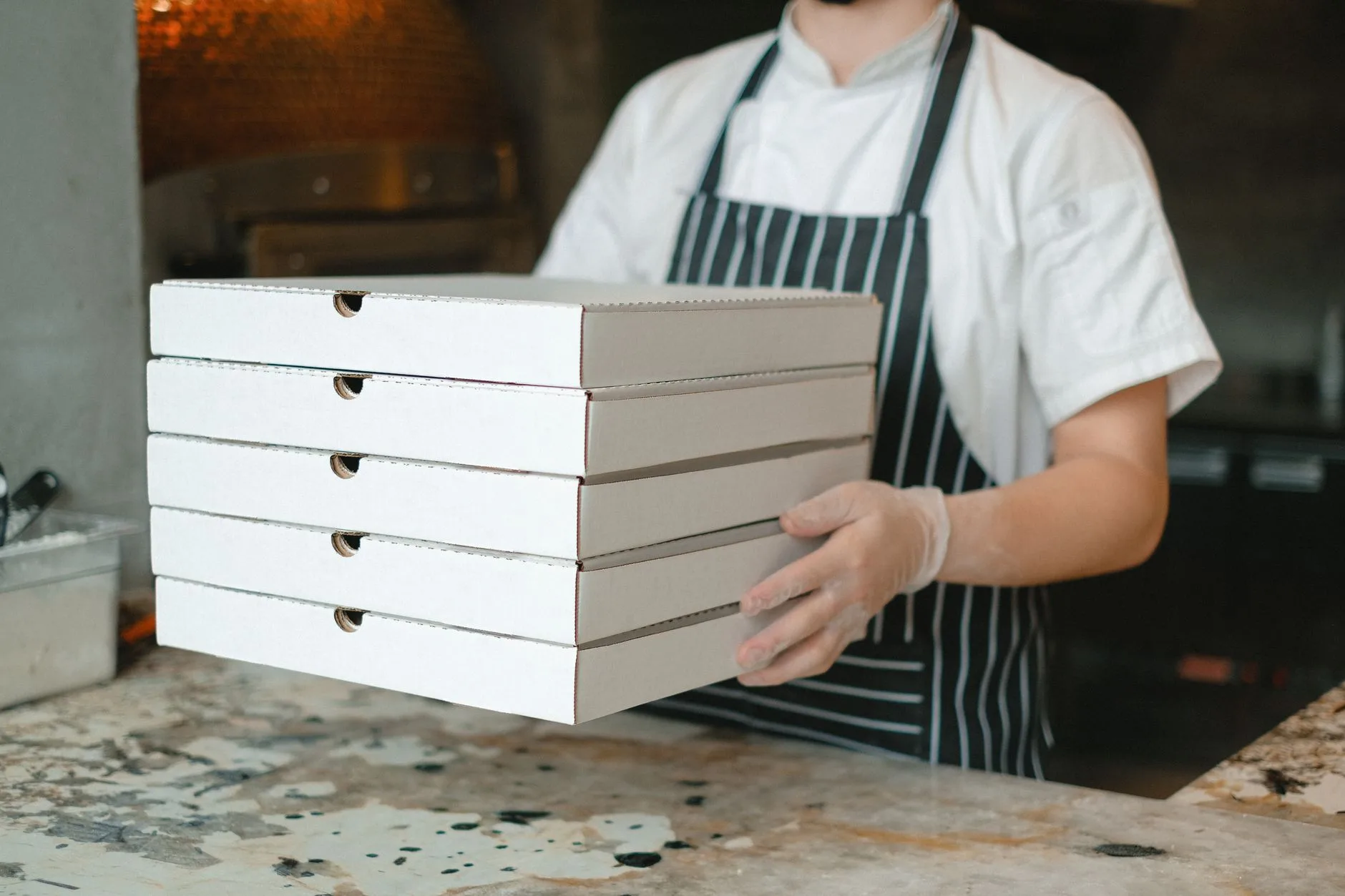
Takeaway pairing starts with the food that arrives, not the dish shown on the menu. A pizza that has spent time in a box is not a pizzeria pizza. Fried chicken loses some of its crackle. Noodles tighten as they cool. Rice absorbs moisture. A meal may be divided into containers, then eaten over an hour.
That is not a reason to give up on wine. It is a reason to stop applying restaurant rules without thought. The useful question is simple: what will actually be on the plate when the cork comes out?
Pair the delivered texture, not the ideal version
Delivery alters texture more reliably than flavour. Steam trapped in a box softens a crust and turns crisp coatings pliable. Food that was hot and loose becomes denser as it cools. That makes very firm, drying red wine a poor default for many takeaway meals. It can make softened fried food seem heavier and a cooled meat dish seem more solid than it is.
For pizza, think first about the base after its journey. A thin, crisp base can carry a wider range of wines than a soft, steamy one. If the slices have gone limp, choose a red with modest tannin, or a dry rosé with enough structure to feel like table wine rather than an aperitif. A light red served slightly cool is often more useful than a warm, dense red.
The same applies to burgers and fried chicken. The usual instinct is to reach for a powerful red because there is beef, or to reach for sparkling wine because something is fried. Either can work, but neither is automatic. A delivered burger is often more about a soft bun, melted cheese, pickle, onions and a salty surface than about a neatly cooked piece of beef. A juicy, uncomplicated red with gentle tannin is usually easier to live with across the whole bite.
With fried chicken, inspect it before choosing. If the coating has remained dry and crisp, a sparkling wine can be very good. If it has softened in the box, choose a dry white or a light red instead. The wine should not add another layer of hardness to food that is already becoming dense.
Act on this before pouring: unpack the food, put it on plates if possible, and take one bite. That tells more than the restaurant description.
Treat salt and condiments as part of the order
Takeaway food is commonly served with more salt, pickles, dips and finishing condiments than a home-cooked meal. These are not minor details. They determine which wine remains pleasant after several mouthfuls.
Salty food can make a dry wine seem fruitier and can make a high-tannin red seem more severe. This is why a red that seems impressive with a small taste may become tiring beside pepperoni pizza, a loaded kebab or salty fries. Keep the red supple. Wines based on grapes that are normally made in a fresh, lighter style are a sensible place to look. Avoid bottles chosen mainly for oak, extraction or sheer intensity.
Pickled vegetables and sharp condiments need their own consideration. A burger with pickles, mustard and a vinegar-led slaw is not asking for the same wine as a plain cheeseburger. A dry aromatic white, a dry rosé, or a low-tannin red can cope better with those brisk, savoury flavours. The aim is not an exact match. It is to avoid a wine that turns metallic, bitter or oddly sweet next to vinegar and pickle brine.
Dips can split a meal into several pairings. Garlic sauce, tahini, hummus, hot sauce and yoghurt-based dips all change the next mouthful. Do not chase each container with a different bottle. Choose a flexible wine and accept that one dip may suit it better than another. For a mixed Middle Eastern order, a dry white with some body, or a dry rosé, is generally more adaptable than a stern red.
Keep fries out of the main calculation. They are useful with almost any modest, refreshing wine, but they do not tell you what to pour with the rest of the order.
Use serving temperature as a practical adjustment
Takeaway is often warmer, softer and saltier than intended. Serving wine too warm compounds all three problems. This is especially common with red wine kept in a warm kitchen or opened straight from a cupboard near the cooker.
Put light and medium-bodied reds in the fridge for a short time before serving. They should feel cool, not cold. This makes them less alcoholic in impression, less heavy beside melted cheese and less tiring with salty food. It is a useful move for pizza, burgers, kebabs, barbecue-style chicken and many noodle dishes with meat.
Whites and rosés should also be cold, but not numbing. A heavily chilled wine can lose flavour and seem thin beside a hot, strongly seasoned meal. Take it out a little before eating if it has been in the coldest part of the fridge. The goal is a wine that has enough presence to register after chilli oil, garlic, sesame or toasted spices.
Sparkling wine is most useful when the food retains contrast: crisp fried edges, fresh herbs, clean raw vegetables, or a just-opened box of well-made tempura. It is less convincing once the meal has settled into a soft, lukewarm mass. Then a still wine usually has more to say.
Use proper glasses if they are available, but do not make an event of it. The important adjustment is temperature, not ceremony.
Build around the part of the meal eaten most often
Delivery orders are rarely as tidy as the menu suggests. A group order may include pizza, wings, salad, fries and desserts. A single-person order may become dinner, then tomorrow's lunch. Pairing every component is unnecessary. Choose for the part that will occupy most of the meal.
For a pizza order, that is usually the pizza itself, not the side salad. For sushi, it may be the rice and soy rather than the fish in isolation. For a curry order, it may be the repeated combination of rice, bread and the main dish. For noodles, it is often the seasoning left in the bowl after the first few bites, not the garnish on top.
If the order is genuinely mixed, dry rosé is often the sensible middle ground. It can handle salty snacks, cooked meat, vegetables and creamy elements without demanding that the food be precise. A dry, medium-bodied white is another strong option for mixed orders that include seafood, dumplings, rice dishes or mild curries. A light red works when the meal is led by pizza, grilled meat or burgers.
There is no prize for finding the most dramatic pairing. With delivered food, a bottle that stays agreeable from the first bite to the last container is the better choice. Open the wine after the food is unpacked, taste the version that made it through the journey, and serve it at a temperature that gives it a chance.