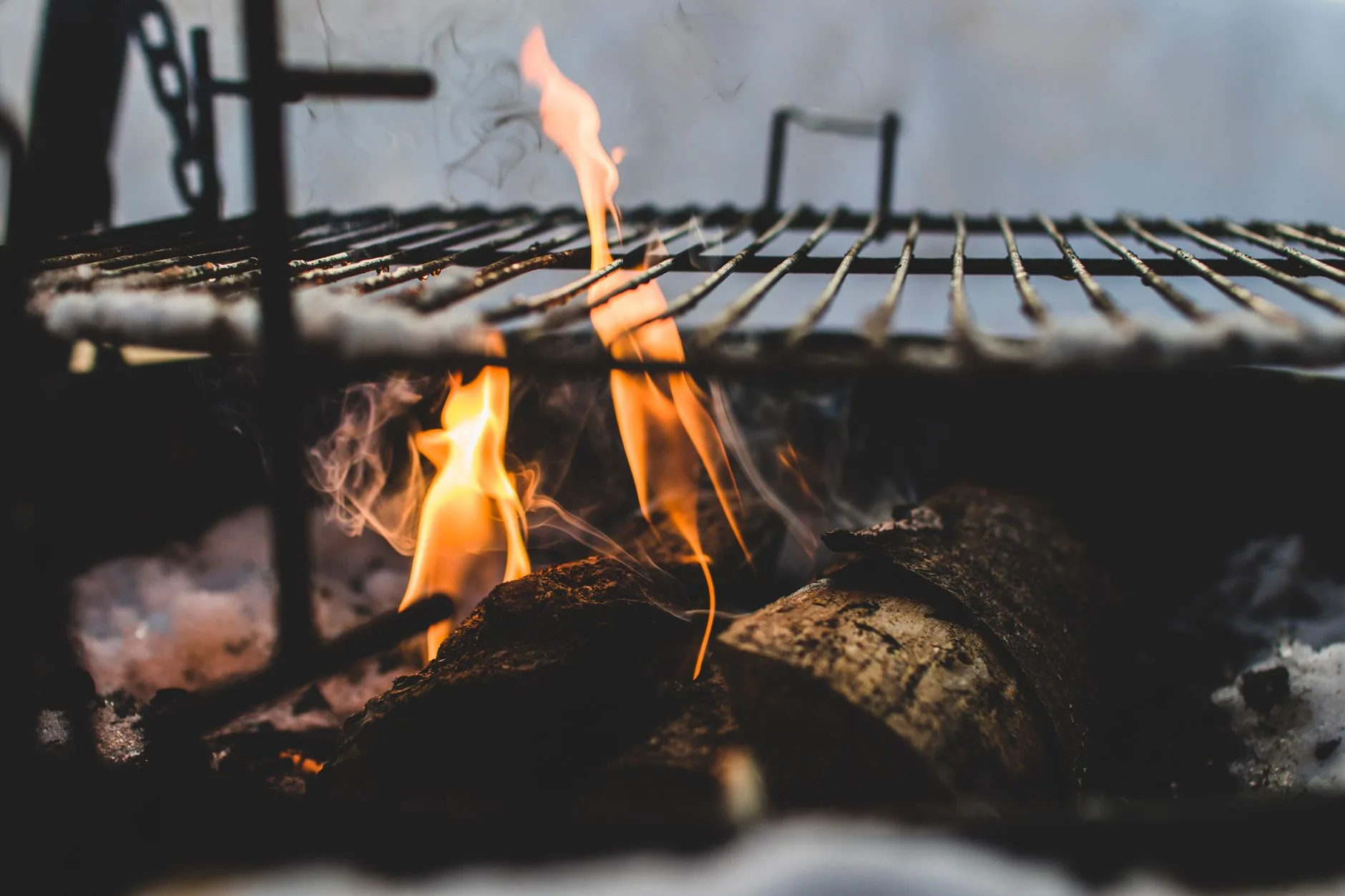
Open-fire cooking gives wine a harder job than most kitchen cooking. Smoke adds bitterness. Char adds a dry, almost ashy edge. High heat browns the surface quickly while leaving the centre juicy. Fat renders, drips and returns as flavour. A wine that is merely pleasant with the raw ingredient can seem thin, harsh or oddly sweet beside the finished dish.
Pair for the marks from the grill, not just for the meat, fish or vegetable beneath them. That usually means choosing wines with enough fruit to survive smoke, enough structure to meet fat, and no excessive dryness from tannin or oak. It also means serving temperature matters more than many people allow.
Char makes severe wines feel more severe
Char is bitter. So are heavily extracted red wines, especially when they are served warm. Put the two together and the finish can turn drying and metallic. This is why the automatic choice of the biggest red available is often a bad one for the barbecue.
With steak, lamb chops or burgers, look for a red with clear fruit and a firm but not punishing grip. Syrah can work well when it is not dominated by new oak. Cabernet Franc, Sangiovese, Mencía, Gamay and some blends based on Grenache can also make sense. The useful quality is not the grape name by itself. It is the wine's ability to stay juicy after the first taste of smoke.
Avoid treating blackened edges as proof that the food needs more tannin. A well-seared crust is one thing. Burnt fat, scorched sugar or a coating of ash is another. If the food has crossed into bitterness, do not answer it with a stern wine. Move toward a lighter red, a dry rosé with substance, or a white with some texture.
A practical test helps. Taste the darkest piece from the grill before opening the bottle. If that bite leaves the mouth dry, choose a wine that feels softer than the meal appears to demand. If the crust is brown rather than bitter, a more structured red has room to work.
Fat and flame favour fruit, not sweetness
Grilling concentrates the savoury side of food, but it also exposes fat. Beef burgers, sausages, skin-on poultry and oily fish all carry more flavour after the fire has done its work. Wine needs presence here. But presence is not the same as sweetness, high alcohol or a thick texture.
Fruit in wine matters because smoke can flatten delicate flavours. A red with vivid berry, cherry or plum character remains legible beside a grilled burger. A white with citrus, stone-fruit or orchard-fruit flavour can still register beside chicken cooked over coals. The wine should taste dry; the point is flavour, not residual sugar.
For burgers, skip the instinct to use a grand, aged red just because the meat is beef. Burgers have salt, fat, a soft bun and often a sweet or sharp condiment. A straightforward, fruit-led red served slightly cool is usually more useful. If cheese, bacon and a sugary glaze are all involved, keep the red modest in tannin. The toppings will make an austere wine feel more angular.
For sausages, consider what is inside rather than calling all sausages the same. A fennel or herb-led sausage can suit a lively red or a fuller rosé. A smoky, paprika-led sausage often works better with a red that has generous fruit and limited oak. A heavily spiced sausage may call for a chilled red or rosé rather than a powerful bottle that amplifies the heat.
Do not confuse grill marks with a demand for oak. Toasty barrels and charred food can repeat the same flavour until the glass tastes like the fire. A little oak can sit comfortably in a pairing. Too much makes the meal monotonous.
Fish and white meat need more than a light white
Fish cooked over flame is not poached fish. The skin may be crisp, the flesh may take on smoke, and the exterior can pick up bitterness from the grate. A very delicate white can disappear.
Choose a white with body and definition for firm fish, prawns, squid or chicken cooked over coals. Dry Chenin Blanc, textured styles of white Rhône varieties, Grüner Veltliner, dry Riesling with some weight, or fuller Mediterranean whites are useful categories. The aim is a wine that has shape in the mouth without becoming buttery or sweet.
For oily fish, a dry rosé can be particularly practical. It has enough flavour for the smoke, stays refreshing when the grill is running hot, and avoids the tannin problem that can make a red taste awkward with fish. A pale rosé is not automatically the right choice; look for one that feels dry and savoury rather than faint.
Chicken is also easily overmatched. Charred skin and smoke can support a red, but the breast meat underneath remains mild. If the chicken is simply grilled with salt, herbs and oil, a structured white or rosé is often the safer choice. If the cooking has produced pronounced browning and the pieces include thighs or wings, a light red served cool becomes more convincing.
Set white wines cooler than reds, but not ice cold. Extreme cold hides flavour, and the grill has already made the food more forceful. Give the wine a few minutes in the glass before deciding it is too rich or too flat.
Build the pairing around the fire's final flavour
The same ingredient can need a different wine depending on how it leaves the grill. Corn cooked gently until tender is one thing; corn left until deeply browned and brushed with a savoury coating is another. Aubergine with soft, smoky flesh asks for a wine with texture. Courgettes cooked quickly with green herbs can take a lighter, brisker white. Portobello mushrooms, especially when well browned, can carry a light red more easily than their raw appearance suggests.
Keep a close eye on sugar. Honey, sweet glazes, bottled barbecue sauces and caramelised onions all darken rapidly over fire. Once a glaze starts to catch, the wine needs clean fruit and restraint. Dry red wines with aggressive tannin are rarely improved by sticky, charred sweetness. Rosé, a fruit-led red served cool, or a fuller dry white will often be calmer choices.
Finally, separate cooking smoke from burnt food. Good smoke smells savoury and woody. Burnt food tastes acrid. If the grill has produced the latter, change the food rather than trying to rescue it with a more expensive or more powerful wine. For a successful fire-cooked meal, pour the wine after tasting the first properly charred piece, not before the coals are lit.