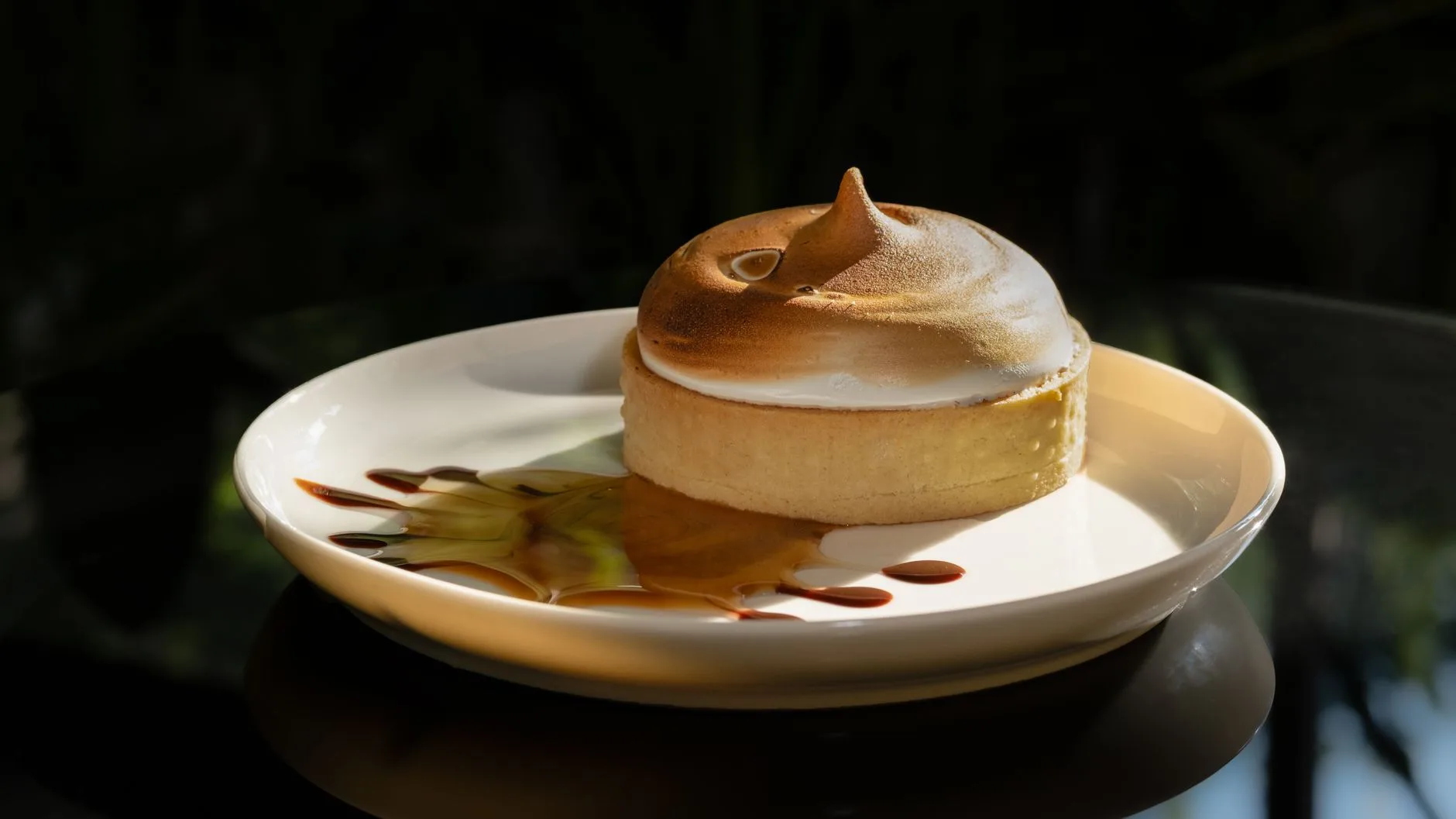
Photograph by Tolga Ardıç on Pexels
Dessert wine must be sweeter than the dessert on the plate. If it is not, both usually suffer: the wine seems dry, sharp or alcoholic, while the dessert loses detail and tastes cloying.
This is the pairing rule that gets ignored when a good bottle is opened simply because it is labelled sweet, or when a dry sparkling wine is placed beside cake. “Dessert wine” is a category, not a guarantee. The relevant question is how much sweetness the finished dish delivers at the table.
That includes the obvious sugar in the sponge, tart or pudding. It also includes icing, caramel, chocolate sauce, fruit compote, jam, ice cream and sweetened cream. A modest cake can become a very sweet course once the garnish is added.
Sugar changes the taste of the wine
Food changes what is noticed in a wine. After a sweet mouthful, the wine’s sugar is less apparent. Its bitterness, dryness and warmth become more obvious instead. A wine that seemed gently off-dry before dessert can taste austere next to a glazed tart. A dry wine can seem actively harsh.
This is why a dry red with chocolate cake is often disappointing, despite being a familiar restaurant suggestion. The cake’s sugar makes tannin feel firmer and can make the wine’s alcohol stand out. The chocolate does not rescue the match simply because both are dark in colour.
The same problem appears with dry sparkling wine and a sweet celebration cake. The bubbles may refresh the palate, but refreshment is not the whole pairing. If the cake is iced, filled with buttercream or served with sweet fruit, the wine needs enough sweetness to remain balanced after a bite.
Use a simple test before serving. Taste a small spoonful of the finished dessert, then taste the proposed wine. If the wine now reads dry, bitter or warm, it is not sweet enough. There is no need for technical measurements. The palate gives the useful answer.
Pair the finished dessert, not its name
Dessert names are poor guides. A lemon tart, apple pie or cheesecake can range from lightly sweet to intensely sweet. Recipes vary, portions vary, and accompaniments alter the result.
Break the plate into its sweet components before choosing the wine.
- Fruit desserts: Judge the sugar in the fruit and any syrup, glaze or compote. Fresh berries with unsweetened cream are very different from berries folded into a sweet sauce.
- Pastry and cake: Look beyond the base. Icing, frangipane, jam layers, caramel and dried fruit often supply more sweetness than the cake itself.
- Cream desserts: Custard, mousse, panna cotta and ice cream can taste less sweet when cold, but they are still sweet courses. Sauces and brittle toppings may raise the level sharply.
- Chocolate desserts: Dark chocolate brings bitterness, but most chocolate desserts also contain substantial sugar. A sauce, ganache or ice cream may matter more than the percentage of cocoa in the chocolate.
A useful rule is to assess the sweetest element that will be eaten in the same mouthful. If a pear tart comes with caramel sauce, pair the caramel sauce as much as the pears. If a plain sponge is served with sweetened strawberries and cream, the bowl of strawberries is part of the equation.
This also explains why a small dessert can demand a properly sweet wine. Portion size affects how much is consumed, but it does not change the contrast in a single bite.
Choose the level first, then the style
Once the wine is clearly sweeter than the plate, other parts of the pairing become easier to manage. The next job is to avoid making a broadly suitable sweet wine feel out of place.
For light fruit desserts, choose wines that feel fresh rather than heavy. The wine still needs enough sweetness, but a clean, lighter style is usually more convincing than something dense and rich. Keep the dessert simple: fresh fruit, a lightly sweet pastry or a plain cream element gives more room for the wine.
For baked stone fruit, apple, pear, nuts and caramel, a fuller sweet style can work well. These desserts have baked flavours and a broader texture. The wine does not need to imitate every flavour on the plate. It needs to be sweet enough, then substantial enough not to seem watery beside pastry and butter.
For creamy desserts, texture matters. A delicate sweet wine can be lost beside dense custard or ice cream. A more concentrated style is often the safer direction, provided the sweetness remains ahead of the dessert.
For chocolate, reduce the problem before reaching for wine. Serve less-sweet chocolate preparations when wine is intended: dark chocolate with minimal added sugar, a restrained mousse, or chocolate with nuts rather than a thick sweet sauce. Then choose a sweet, concentrated wine rather than a dry red. If the dessert is very sweet, very cold and covered in sauce, it may simply be a better finish without wine.
Sweetness is not a reason to pour the largest possible glass. Dessert wines are often most useful in small pours. The aim is a measured match with the final course, not a second main event.
Make the dessert easier to pair
The easiest fix is often in the kitchen or on the serving plate. Do not add sweetness by habit when wine is part of the plan.
Leave off the extra dusting of sugar if it adds little. Serve sauce separately. Use unsweetened or lightly sweetened cream. Let ripe fruit do more of the work. Avoid combining several sweet elements—sweet pastry, sweet filling, sweet sauce and ice cream—unless there is a wine sweet enough to stand over all of them.
If only dry wine is available, choose a dessert that is barely sweet rather than trying to force a dry wine through a sugary plate. Fresh fruit, nuts, a plain biscuit or a lightly sweet cheese course creates fewer problems than cake with icing.
Taste the completed dessert with the wine before it reaches the table. If the wine finishes drier than it started, either choose a sweeter wine or remove the sweetest part of the plate. That small check prevents the common mistake of serving two good things that make each other taste worse.