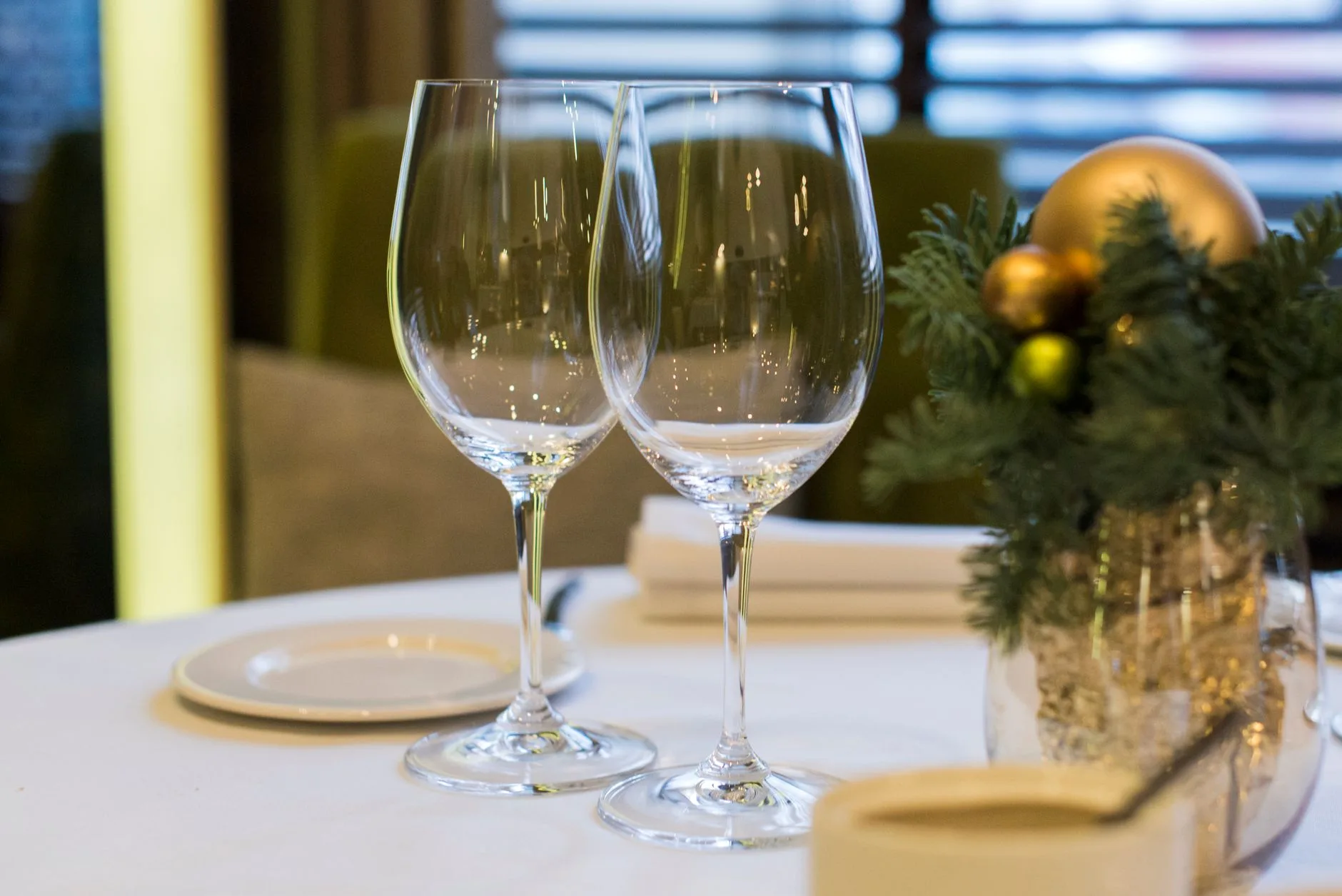
Photograph by Anastasia Lashkevich on Pexels
A crowded holiday table needs a wine with fewer enemies, not a wine that is perfect for the centrepiece.
This is where much pairing advice goes wrong. It looks at the roast, bird or glazed ham, declares a winner, and ignores the bowls around it. The table may also hold salty starters, sweet root vegetables, sharp relishes, creamy sides, smoked food, pickles and a dessert that arrives before the first bottle is finished. A wine chosen for one plate can become awkward everywhere else.
The job is not to find a magical match for twelve dishes. It is to avoid the few combinations that make a wine seem harsher, thinner, sweeter or more alcoholic than it is. That leaves plenty of room for a good meal.
Find the dishes that can spoil the plan
Start by listing the parts of the table that have the strongest flavour effects. Do not begin with the largest joint or the dish that took longest to cook.
Look for four things:
- Sugar: glazed carrots, sweet chutney, cranberry-style sauces, candied squash and sweet bread-based stuffing can make a dry wine seem austere.
- Salt: cured meats, cheese pastries, gravy, stock-rich dishes and salty snacks can push a firm red into rough territory.
- Vinegar and pickling: relishes, dressings, pickled onions and sharp slaws can flatten a broad, warm wine.
- Smoke and char: smoked fish, grilled vegetables and heavily browned edges can make delicate wines disappear.
These are the dishes that set limits. The plain roast potatoes and simply cooked green beans are rarely the problem. A table can accommodate them easily.
Write down the two most forceful elements. If there is a sweet glaze and a sharp relish, they matter more to the wine choice than whether the main item is poultry, pork or beef. If the table is mostly savoury but includes smoked fish and salty canapés, that is a different set of limits.
This is a useful correction to the idea that one grand bottle should carry the occasion. A grand bottle may be excellent with one forkful and less convincing with the rest of the meal. The table deserves a broader view.
Choose a style that stays out of trouble
For a mixed table, favour wines that are moderate in their strongest features. That usually means avoiding very heavy tannin, obvious sweetness, high oak flavour and pronounced warmth. None of these is inherently bad. They simply demand a more orderly meal than a holiday spread usually provides.
A dry sparkling wine is often practical at the start of a meal and through a varied first course. Its texture and brightness can cope with salty bites, fried items, cold cuts and many vegetable dishes without asking each plate to behave the same way. It is less useful if the food is dominated by sugar-heavy sauces or very hot spice.
For a still white, look for a dry style with clear fruit and enough body to avoid being lost beside roast food and creamy dishes. Whites with strong vanilla-like oak or a thick, buttery profile can become tiring when the table already has rich sauces, butter, pastry and cheese. A cleaner style gives the food more room.
For a red, choose one with modest tannin and a fresh, uncomplicated shape rather than a dense, extracted style. This is not because red wine cannot work at a holiday table. It can. But a red that grips the gums is exposed by salty foods, sweet glazes and vinegar-led condiments. A gentler red is more likely to work with roast meat, mushrooms, stuffing and the less sweet vegetable dishes.
There is a simple test: if a wine needs the diner to avoid the relish, skip the smoked starter and leave the sweet side dish untouched, it is too demanding for the table.
Use two wines by function, not by colour
When the menu is especially crowded, two wines are often more useful than trying to cover every dish with one. The split should not be “white for the first course, red for the main course” by habit. Split the wines according to the food’s competing directions.
One bottle can cover the salty, sharp and lighter parts of the spread: starters, seafood, salads, pickles, vegetable dishes and creamy sides. Choose a dry sparkling or dry still white in a restrained style.
The other can cover the roast, mushrooms, darker gravy, lentil dishes and stuffing. Choose a supple red, or a fuller dry white if the food leans toward poultry, pork or vegetarian dishes with cream or nuts.
This gives people a route through the meal without turning the table into a tasting exercise. It also prevents the usual problem of opening a powerful red too early and expecting it to cooperate with everything from smoked fish to cranberry sauce.
Keep the selection narrow. Three or four contrasting wines can create confusion rather than choice, especially when several dishes are served at once. Two clear roles are enough for most tables: one wine that handles the bright and salty edges, and one that handles the darker savoury centre.
Do not let dessert dictate the first bottle
Dessert often appears while there is still wine left, but it should not control the choice for the meal before it. Sweet desserts make dry wine taste severe and hollow. That does not mean the table needs a wine designed around pudding from the start.
Treat dessert as a separate course. Finish the dry wines with the savoury food, or leave them aside when the sweet dishes arrive. If a wine is served with dessert, it should not taste noticeably less sweet than the dessert itself. A very sweet pudding may be better with coffee or tea than with a compromised attempt to make the dinner wine continue.
Before setting the table, identify the sweet, sharp, salty and smoky dishes. Choose one restrained wine for the lively edges and, if needed, one supple wine for the savoury middle. That is how the wine serves the table rather than competing with it.