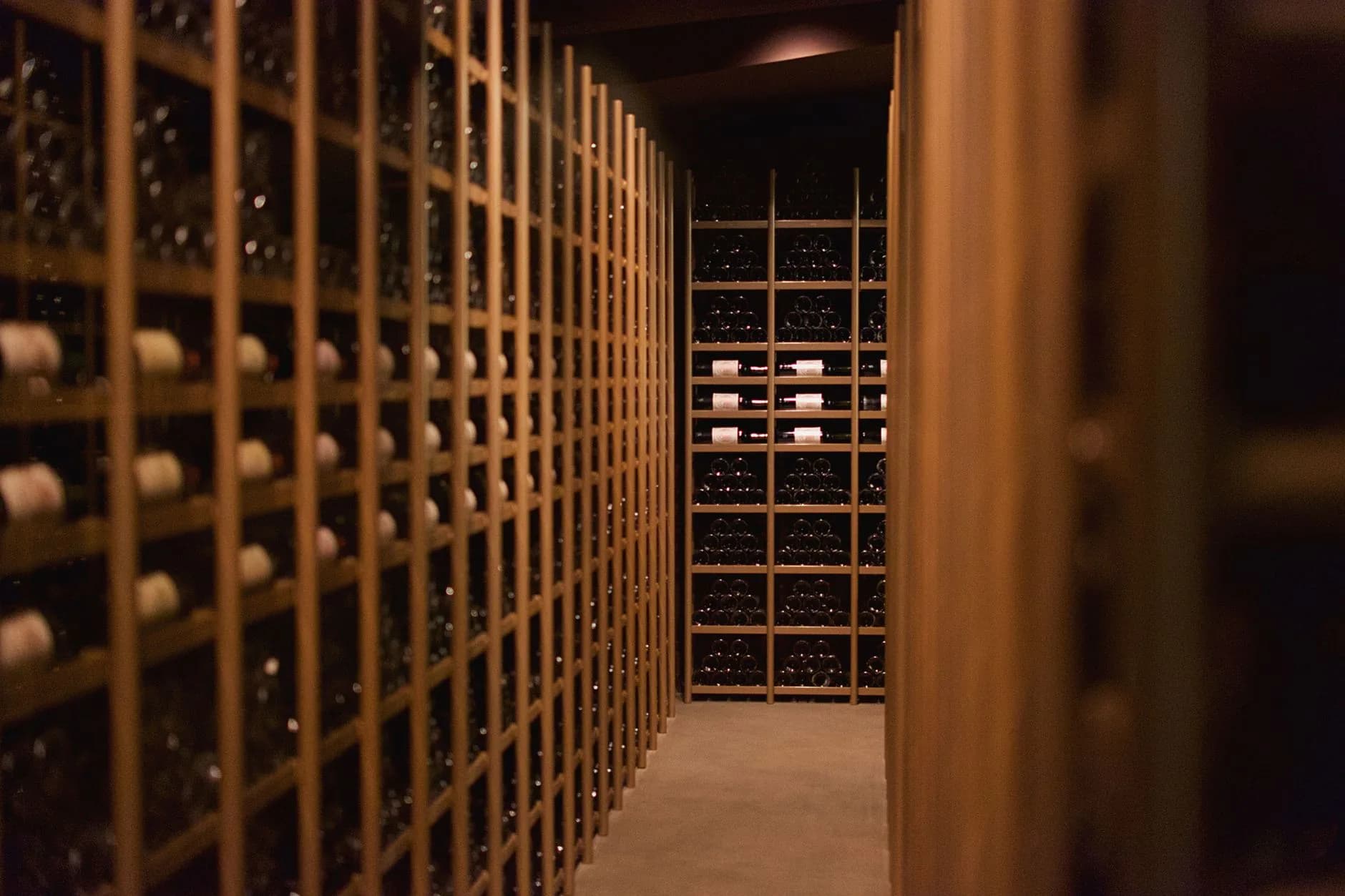
A first serious cellar should be built to teach its owner something. It should not begin as a display of labels, a pile of recommendations, or a bet on what other people might admire.
The wrong hundred bottles usually arrive through momentum. A case offer looks sensible. A friend recommends a region. A merchant’s mixed selection solves the immediate problem of choice. None of these is necessarily bad wine. But a cellar made this way often contains too much of one type of bottle, too little for ordinary meals, and no clear reason for keeping anything back.
Build a smaller structure first. Its job is to show what is worth repeating, what is worth keeping, and what was only interesting once.
Give every bottle a job
A cellar is easier to build when each bottle has a stated purpose before it arrives. “Good” is not a purpose. Neither is “collectible.”
Start by dividing the collection into a few practical jobs. There should be bottles for ordinary dinners, bottles for more deliberate meals, bottles to open when comparison is useful, and bottles intended to remain untouched for a defined period. The proportions will vary, but all four jobs deserve a place.
The ordinary-dinner section matters most. A serious collection that has no bottles suitable for a Tuesday meal becomes ceremonial very quickly. It also encourages bad decisions: opening a bottle too early because nothing else is available, or leaving it untouched because every bottle feels too important.
The comparison section is where the cellar starts to become useful. Choose bottles that make a clear contrast possible. This might mean the same grape from different regions, different grapes from the same broad area, or wines made in distinctly different ways. The point is not to prove that one is better. It is to learn which balance of fruit, acidity, tannin, alcohol, oak, texture and sweetness is actually wanted at the table.
For bottles set aside for later, write down the reason. It can be as simple as: “Open after a few years to see whether the structure softens,” or “Keep one bottle back to compare with the first.” If there is no sentence that explains why a bottle is being kept, it is often just being postponed.
Make the first purchase deliberately incomplete
A first purchase should leave room to change direction. This is a strength, not a failure of ambition.
Set a fixed number of bottles for the first round and stop there. The number matters less than the limit. It should be small enough that every bottle can be named, located and explained without consulting a spreadsheet. If the first purchase already fills every rack, there is no room for what will be learned later.
Avoid building the whole cellar from one source, one region, or one person’s taste. This does not require buying randomly. It means selecting a few clear areas of comparison rather than accepting a ready-made identity for the collection.
A practical first group might include familiar grapes alongside less familiar ones, wines from more than one climate, and both lighter and fuller-bodied examples. Include dry whites, reds of different structure, and any sparkling, sweet or fortified styles that genuinely suit the household’s meals and occasions. Do not add a category merely because it is supposed to belong in a cellar. A bottle that has no likely use is not making the collection more complete.
Keep the quantities modest at this stage. The aim is to create useful choices, not to commit heavily before preferences are clear. A few bottles held back for comparison can be more informative than a large stack of a wine that has never been opened.
Keep a record that explains the decisions
A cellar record is not an investment document. It is a memory aid. Without one, early purchases become a set of half-remembered intentions.
For each bottle, record the producer or wine name, region, grape or blend where known, purchase date, source, storage location, and the reason it entered the cellar. Add an intended opening window in plain language: soon, within a year or two, later, or for a specific occasion. The exact wording matters less than having a plan that can be reviewed.
When a bottle is opened, make a short note. Record the food, the people present if relevant, and the practical result. Did it work with the meal? Was the structure too firm, the oak too obvious, the sweetness out of place, the bottle more interesting than enjoyable? Would another bottle be wanted? Would it be wanted sooner or later?
Notes do not need to sound expert. “Better with food than alone” is useful. “Not enough interest to keep more” is useful. “Open the next one with roast chicken, not spicy food” is useful. The purpose is to make the next decision better than the last one.
This record also exposes duplication. It is common to find several bottles bought for nearly the same reason, often before the first has been tried. Seeing that pattern on paper is enough to stop it.
Let openings shape the second round
The second round of buying should respond to bottles that have been opened, not to anxiety about missing something.
After several bottles from the first group have been tried, look for evidence. Which styles disappeared first? Which bottles were saved for an occasion that never came? Which comparisons were revealing? Which bottles prompted a wish for another? The answers show where the cellar has a genuine role and where it does not.
Then add depth only where there is a reason. More bottles from a category can make sense if they serve regular meals, if they offer a comparison worth following, or if keeping some back has a clear purpose. Otherwise, keep the range broad and the commitments small.
Before the next purchase, open something already owned and write one honest line about it. That line is a better foundation for a cellar than another hundred bottles chosen in advance.