Vegetables are usually the hard part of a food-and-wine pairing. Meat has a fairly stable profile once its cut and cooking method are known. A vegetable can be bitter, grassy, sulphurous, sweet, earthy or all of these at once. The same vegetable also changes character radically when it is raw, steamed, charred, roasted or pickled.
The useful approach is to identify the vegetable’s dominant trait before thinking about the main protein. A steak with chips and a steak with grilled radicchio are not the same pairing problem. The radicchio may determine the wine more decisively than the steak.
Bitterness needs low tannin and a little generosity
Bitter leaves are the common trap. Radicchio, chicory, endive, rocket, kale and many brassicas carry bitterness that can turn a firm red wine hard and drying. Tannin already creates a drying sensation. Put it beside a bitter leaf and both sensations become more obvious.
Avoid treating bitterness as a reason to reach for a bigger red. That is often bad advice. A heavily extracted red can make grilled greens taste more severe, while the greens make the wine feel rougher and less fruity.
Use wines with restrained tannin instead. A light red based on gamay, pinot noir or a gently made cabernet franc can work when the dish has enough depth from roasting, mushrooms, nuts or a savoury cheese. Serve the red lightly cool rather than at a warm room temperature. This reduces the impression of alcohol and tannin.
For a plate led by bitter leaves, dry white wine is often simpler. Grüner veltliner, dry chenin blanc, verdicchio and vermentino are useful categories because they can be dry and structured without relying on red-wine tannin. Their texture gives them a place at the table without fighting the leaves.
Cooking changes the decision. Raw chicory with a sharp dressing needs a clean, dry white. Charred radicchio with balsamic glaze, hazelnuts and a richer element can take a light red. Do not assume that grilling removes bitterness. It may add sweetness and smoke, but the bitter core remains.
Green vegetables need a wine that does not taste clumsy
Asparagus, peas, broad beans, green beans, courgettes, fresh herbs and leafy vegetables have a green character that can make broad, oaky or very ripe wines feel oddly heavy. The issue is not that green vegetables demand one grape. It is that their freshness exposes wines with too much sweetness, wood flavour or warmth.
Choose wines with a clear, dry profile and a moderate body. Sauvignon blanc is an obvious candidate with asparagus, peas and herbs, particularly when the preparation is simple. Its herbal edge can sit alongside the food rather than trying to cover it. Albariño, verdicchio, grüner veltliner and dry muscadet can also be effective where the dish is clean and lightly seasoned.
There is a difference between matching and echoing. A wine with a green herbal note can be good with herbs. But piling strong herbal wine onto a dish full of raw green pepper, mint, dill and rocket can become repetitive. In that case, choose a less overtly aromatic white with enough shape to carry the dish.
Pay close attention to alliums. Garlic, spring onion, leek and onion can give a vegetable dish a sweet, savoury base when cooked slowly. That broadens the options. A leek tart or onion gratin can handle a fuller white, such as chardonnay with restrained oak or a textured chenin blanc. A raw spring-onion salad cannot. Keep the wine lighter and cleaner.
When herbs are used as a garnish, they are not the pairing anchor. When they form a sauce, pesto, salsa verde or herb-heavy stuffing, they are. Taste the herb element on its own before choosing the wine.
Earthy vegetables need savoury wines, not brute force
Mushrooms, beetroot, lentils, celeriac, parsnips, Jerusalem artichokes and truffles bring an earthy or root-like character. This is where people often choose a powerful red because the food seems dark and autumnal. Power is not the same as suitability.
Mushrooms can work well with pinot noir, gamay or a mature-style red with softened tannin and savoury development. The useful qualities are moderate weight, modest tannin and a non-sweet fruit profile. A dense, heavily oaked red can flatten delicate mushrooms, especially when they are simply sautéed.
Beetroot needs separate treatment. It has earthiness but also sweetness. That sweetness can make a very dry, austere red seem bitter. Pair beetroot with a fruity but not jammy light red, or use a dry rosé or fuller white where goat’s cheese, walnuts or herbs are involved. If the beetroot is pickled, the vinegar becomes the main issue and a dry, fresh white is generally safer.
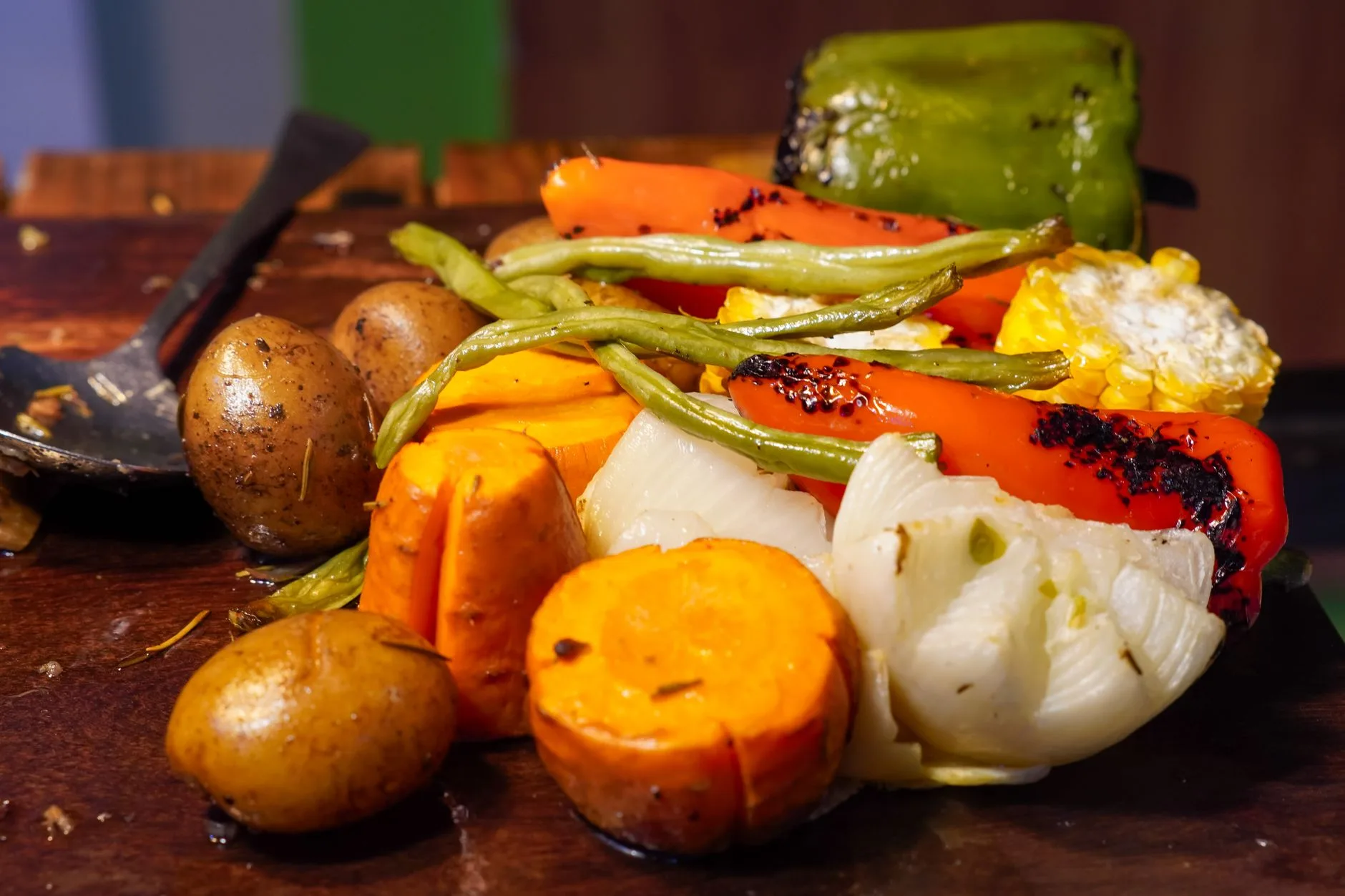
Root vegetables become easier when roasted. Carrots, squash, parsnips and sweet potato gain browned, sweet flavours at the edges. They can take wines with more body, including fuller dry whites and softer reds. Keep an eye on added spices. Cumin, smoked paprika and chilli move the pairing away from the vegetable itself and toward the seasoning.
Lentils deserve the same attention as vegetables in a vegetable-led dish. Their earthy, savoury flavour can support a light red, particularly with roast vegetables and mushrooms. With lentils dressed in lemon, herbs and olive oil, a structured dry white may be the better fit.
Build the pairing around the dominant vegetable
For mixed vegetable dishes, do not try to match every ingredient. Find the ingredient that leaves the strongest taste after swallowing. In a tray of roasted vegetables, that may be the sweet squash. In a salad, it may be the bitter leaves. In a tart, it may be the leeks, mushrooms or cheese.
Use this short check before opening a bottle:
- Bitter leaves or brassicas: avoid hard tannin; choose dry whites or light reds.
- Fresh green vegetables and herbs: choose clean, dry wines with moderate body.
- Mushrooms and lentils: look for savoury, low-tannin reds or textured dry whites.
- Sweet roasted roots and squash: allow more body, but avoid wines that taste noticeably sweet.
- Pickled vegetables: let the sharp seasoning lead and keep the wine dry and fresh.
Then taste the vegetable in the form it will be served. A raw fennel salad, braised fennel and charred fennel may begin with the same ingredient, but they do not ask for the same wine.