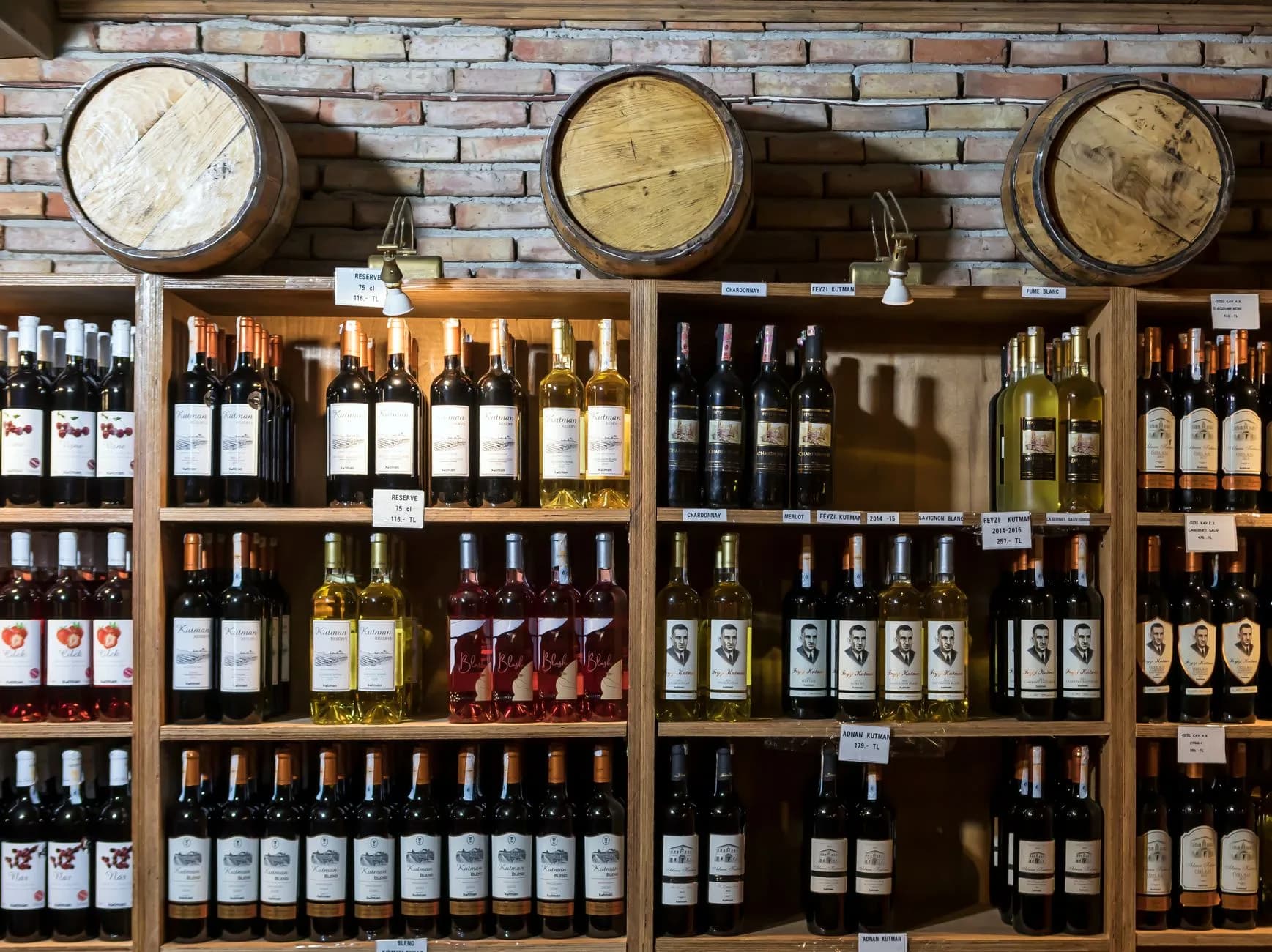
Dead stock on a wine list is money that has stopped doing its job. It occupies storage, complicates ordering and distracts attention from bottles that should be replenished. It is rarely created by one disastrous purchase. More often, it accumulates through reasonable decisions that were never reviewed after service began.
The mistake is to treat slow stock as a cellar problem. It is a list-management problem first. A bottle can be sound, fairly priced and well made, yet remain unsold because it has no clear reason to be chosen in that room.
Find the bottles that have lost their purpose
Start with a plain stock-and-sales review. For every bottled wine, record the quantity held, the date it was added, recent sales, its position on the list and its replacement status. The point is not to build an elaborate report. The point is to identify wines that are neither selling nor serving a clear purpose.
Separate those bottles into three groups.
The first group is invisible stock. These wines may be buried in a long regional section, placed beside several near-identical alternatives or listed under a heading that gives little help. A guest cannot choose a bottle they do not notice.
The second group is unclear stock. The wine may have a style that is hard to express in a few words, an unfamiliar grape, or a format that staff do not readily introduce. This does not mean the wine is difficult. It means its role has not been translated into restaurant language.
The third group is misplaced stock. It may sit at a price point with too many competitors, be offered in a bottle size that does not suit the room, or duplicate another wine more convincingly represented elsewhere on the list. This is the group that often reveals an ordering error.
Give each slow line one written reason for being retained. “Good wine” is not a reason. “The lighter red for a table ordering several starters” is a reason. “The mature-style white for guests who want texture without oak” is a reason. If no clear role can be written, stop reordering it. Do not keep adding to a problem because the original choice needs defending.
Remove friction before changing the price
Discounting is tempting because it appears decisive. It often does the opposite. A visible markdown trains staff to wait for a reduction, invites guests to wonder what is wrong with the bottle and weakens the list’s own price logic. It clears a few bottles while leaving the reason for poor sales untouched.
First, change how the wine is encountered.
Move an invisible bottle to a smaller, more useful section. A white that was lost among many regional entries might belong in a short section organised around body or freshness. A red that was buried in a broad country listing may work better in a section for lighter, more savoury styles. The headings should help a guest make a decision, not demonstrate the buyer’s geographical knowledge.
Then rewrite the listing line. Use words that distinguish the wine from its neighbours. Avoid vague claims such as “elegant” or “complex.” They are too general to guide a choice. Describe weight, freshness, fruit character, texture or structure in direct terms. The aim is not to write a tasting note. It is to give the floor a usable handle.
Reduce unnecessary competition. If four wines are trying to fill the same role, leave the strongest two in their usual positions and give the others distinct jobs. One may be the recommendation for a glass before food. Another may suit guests looking for a lower-tannin red. A third may become the bottle for a table that wants something unfamiliar but not challenging. The bottle has not changed. Its route to the table has.
Give the floor a specific instruction
Slow stock does not move because staff are told to “push it.” That instruction is both crude and ineffective. It encourages indiscriminate recommendation, which guests can detect.
Instead, give each selected bottle a short service brief. It should contain four points: who it suits, when to mention it, what it should be compared with, and one sentence that explains why it is worth choosing.
For example, a brief could say: mention this when a table asks for a dry white with more texture than the house option; compare it with the richer white nearby, but explain that this one is fresher and less oak-led; introduce it as a food-friendly white with weight but no heaviness. That is enough. It gives a server permission to make a precise recommendation without memorising a speech.
Use a small rotating focus list rather than asking staff to remember every slow bottle. Keep the number manageable. Review it at the start of service, and change it when the bottles begin to move or the instruction is not working.
A pre-service sample can help staff speak accurately, but it is not a substitute for the brief. Tasting without a selling context often produces a collection of impressions and no practical recommendation. The question is not merely whether staff like the wine. It is when they can credibly suggest it.
Create a controlled exit for genuine mistakes
Some stock cannot be repositioned because it was simply bought for the wrong room. Accept that quickly. The longer a mistake remains on the list, the more management time it consumes.
A controlled exit does not require a public discount. Put the bottle into a limited feature selection, offer it as part of a fixed wine choice for a private group, or use it in a planned table-side recommendation where it has a clear place. These are normal service decisions, not a clearance event.
Keep the change quiet and finite. Do not print a dramatic special label or make the bottle seem unwanted. Track each use so the stock is actually leaving, then remove it from purchasing once the remaining quantity is defined.
The useful discipline is simple: every bottle on the list needs a role, an owner and a stopping point. Review the slow lines before the next order is placed. That is how dead stock is cleared without teaching guests that the list is negotiable.