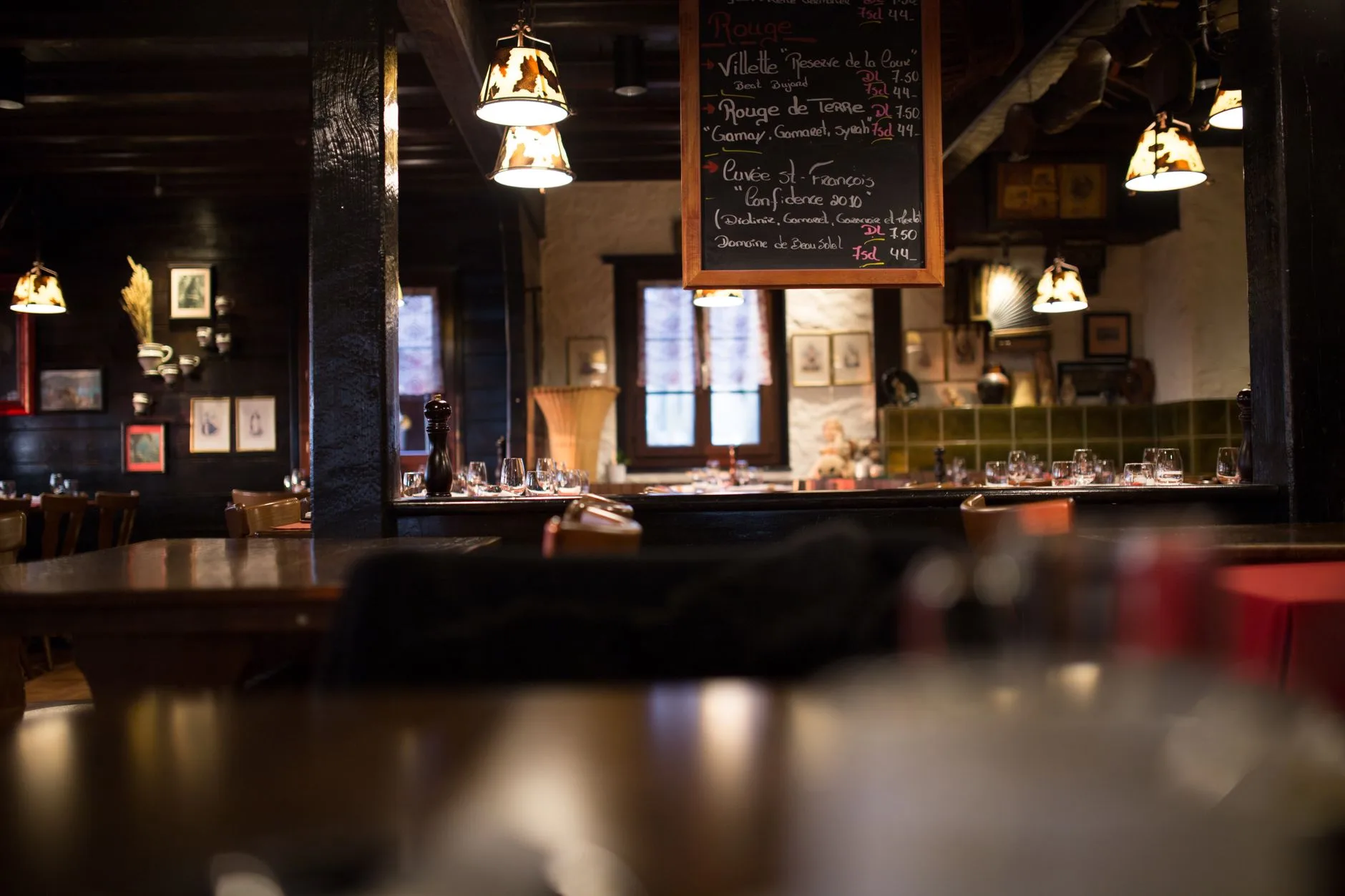
A wine list laid out by country asks the guest to know wine before it helps them choose it. A list laid out by style starts with the decision most people can make: light or rich, crisp or rounded, red or white, still or sparkling.
That change affects what gets ordered. It does not make every guest adventurous, and it should not try to. It gives the guest a clear route beyond the one region or grape they already recognise. It also makes the list easier to use at the pace of a restaurant table.
Country remains useful information. It is just rarely the best first filing system for a broad restaurant audience.
Country is a trade category, not always a guest category
Countries and regions are how much of the wine trade is organised. They matter for sourcing, legal definitions, and staff knowledge. They can also be meaningful to guests who already know what they want.
But a section headed by a country often leaves a basic question unanswered: what will this wine be like?
A guest who wants a dry white with freshness may not know which country section to open, or how a grape name relates to the style they have in mind. A guest who wants a softer red may face the same problem. They may recognise one familiar name, order it, and stop looking.
That is not a failure of the guest. It is a failure of the index.
A country-led list can work in a restaurant with a narrow regional focus or a specialist audience. It can also work when the selection is very small and every bottle is clearly described. On a wider list, it often creates islands of knowledge. Guests who know one island stay there. Everything else becomes background.
The practical test is simple. Remove the country headings and ask whether the remaining structure tells a guest where to look for a particular kind of wine. If the answer is no, the list is making the guest translate trade language before they can order.
Style headings give the guest a starting point
Style headings should describe useful differences, not invent a maze of clever labels. The point is orientation.
For whites, a workable sequence might be:
- sparkling
- light, dry and fresh
- textured or fuller dry whites
- aromatic whites
- sweet wines
For reds, it might be:
- light and bright reds
- medium-bodied reds
- fuller, structured reds
- mature or developed reds, if the list is deep enough to justify the separate section
Rosé, orange wine, fortified wine, and low-intervention categories need judgement rather than automatic segregation. Put a wine where its drinker would expect to find it. A pale, dry rosé can stand as its own short section. An orange wine may belong beside textured whites if that is the most useful comparison. A category should clarify the choice, not announce the buyer's beliefs.
Within each section, show country, region, and grape where relevant. These details have not disappeared. They now support a decision instead of demanding one.
Use plain headings. “Fresh whites” is more useful than “coastal expressions.” “Light reds” is more useful than “reds for contemplation.” Guests should not need to decode the list before decoding the wine.
Layout changes the path to an order
The position of a wine shapes whether it is noticed. On a country list, the familiar section tends to receive attention first. Wines in less familiar sections may be skipped before their descriptions are read.
A style-led list creates a different path. A guest begins with a preference, finds the relevant section, then compares a manageable group of options. That comparison is where a good list earns its place.
Descriptions need to do practical work. They should distinguish wines within the section, not repeat the heading. If three whites are all called “fresh,” there is no reason to choose one rather than another. Give each wine one or two useful points of difference: lighter or more textured, more citrus-led or more herbal, straightforward or more complex, suitable as an aperitif or better with food.
Avoid a list where every description praises everything. “Elegant, complex, balanced and delicious” tells the guest nothing. It also makes a modest wine sound suspiciously over-sold.
Sequence matters as well. Within a style section, arrange wines in a clear progression. This might be by weight, intensity, or degree of familiarity. Do not put the most recognisable option at the bottom simply because its region begins later in the alphabet. Alphabetical order is tidy for the writer and often unhelpful for the table.
A list can still include a short regional or country index at the back for knowledgeable guests. That is a useful extra layer. It should not be the only map.
Build style sections around real decisions
The categories must be broad enough to hold several wines but precise enough to mean something. One-bottle sections look ornamental. Sections containing wildly different wines force the guest back into guesswork.
Start by sorting every wine into a style group without looking at its origin. Then inspect the awkward cases. Those are useful. They show where the headings are too vague, where the selection has duplication, or where a wine needs a clearer description.
Keep the same logic across the whole list. If white wines are arranged from light to rich, do not arrange reds by country, rosés by colour, and sparkling wines by grape. A guest learns the structure while reading. Changing the rules halfway through wastes that effort.
Finally, watch what is ordered from each section over a normal service period. Not just total bottle movement, but which sections attract attention and which wines are routinely passed over. A quiet bottle may need a new position, a better description, or a more sensible neighbour. Moving it can be more revealing than changing it.
The practical aim is not to push guests toward a particular bottle. It is to make the next sensible choice visible before the familiar default ends the search.