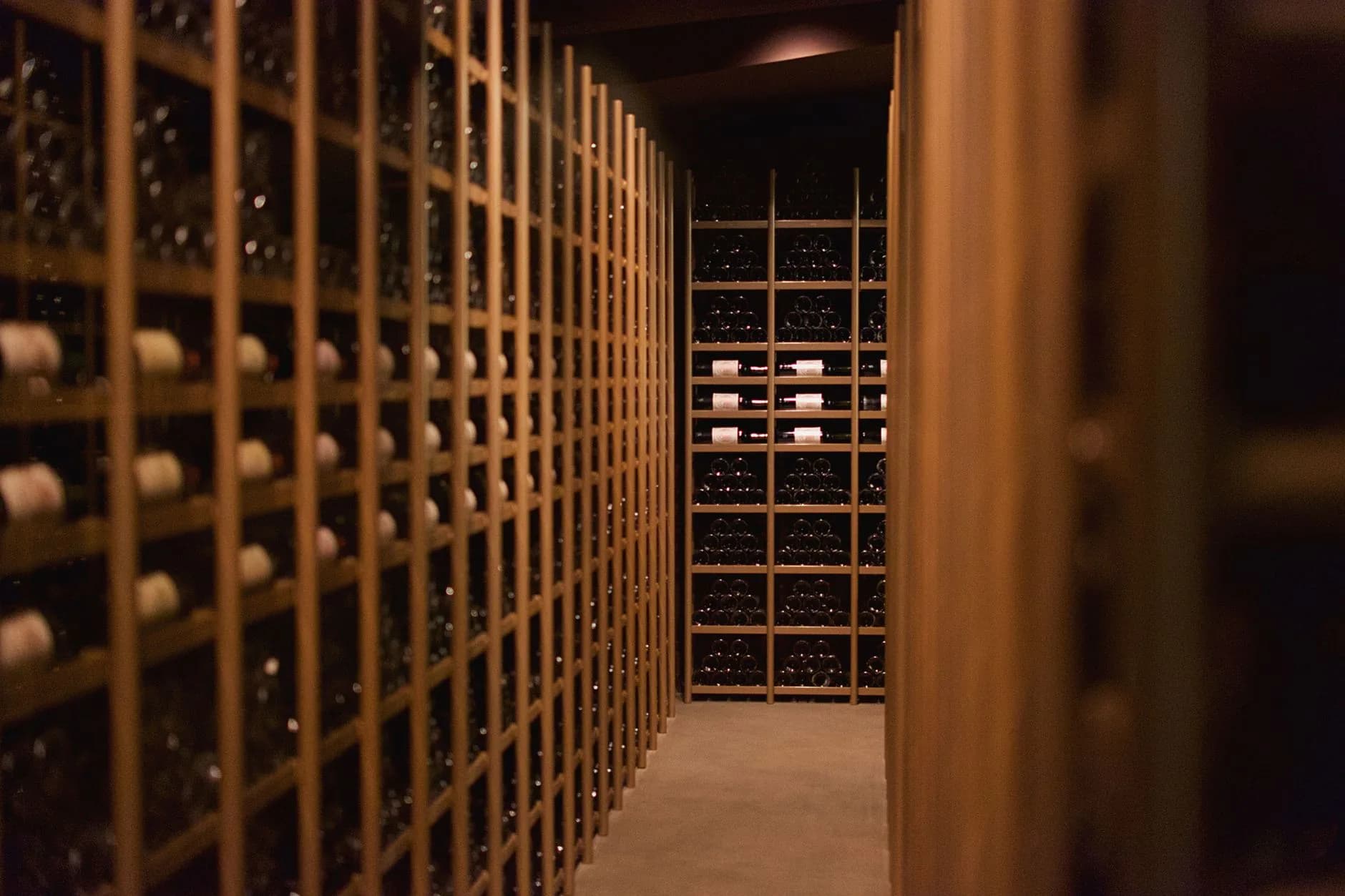
A private collection is usually held too long, not drunk too soon. The reason is simple: opening a bottle feels final, while keeping it feels prudent. But a cellar is not improved by bottles that are never chosen.
This does not mean every wine should be opened young. Some wines need time to settle, broaden or soften. The useful distinction is between waiting for a purpose and waiting from habit. A bottle held for a defined reason is part of a collection. A bottle held because it might be better later is often just deferred decision-making.
The practical job is to decide which bottles are for drinking now, which are being watched, and which are being kept for a specific future use.
Give every bottle a current instruction
“Cellar” is not an instruction. Neither is “save”. Both remove the need to make a decision.
A useful collection has a current instruction for each wine or group of wines. Keep the language plain:
- drink now
- start opening
- hold until a named year or event
- keep one, open one
- reassess after the next bottle
- reserve for a large meal
These are not permanent labels. They are working instructions, reviewed as bottles are opened. Their value is that they turn a vague asset into a usable stock of wine.
For bottles owned in several numbers, write down the sequence. If there are six bottles, decide whether the first is a trial bottle, whether the middle bottles are for ordinary meals or guests, and whether the final bottle has a reason to remain. Without that sequence, the collection often reaches the point where every bottle feels too important to open.
For single bottles, the instruction needs to be stricter. A lone bottle cannot teach much about its development because there is no second sample for comparison. Its role should be clear: open within a stated period, use for a particular meal, or keep because it fills a genuine gap in the collection. “Interesting” is not enough on its own.
A cellar book, spreadsheet or simple note can do this job. Record the bottle, the number held, the instruction and the next review date. The system matters less than being able to see what is meant to happen.
Treat the first bottle as information, not a failure
Collectors often delay the first bottle because they fear wasting it before its best moment. That fear is understandable, but it makes the collection harder to manage.
The first bottle from a group is a check on a plan. It tells the owner more than a reputation, a broad drinking window or a memory of another bottle can tell. It may show that the wine is ready for the style of meal it suits. It may show that it needs more time. It may show that the storage history, cork condition or bottle variation makes the rest less predictable than expected.
Open the first bottle early enough for the result to matter. Waiting until the final two bottles removes the chance to adjust. A six-bottle holding is a good example. Opening one while five remain leaves room for a decision. Opening the first when only two remain turns the tasting into a post-mortem.
Record only what changes the next decision. Was the wine still tight, fully ready, fading, or simply not to taste? Did it work at the table? Would another bottle be opened soon, or would it be left alone for a while? Long notes are optional. A clear instruction for the remaining bottles is not.
This approach also stops a common error: treating all wines as though they improve along one smooth line. They do not. A bottle can become more settled without becoming more enjoyable to every drinker. Development is not automatically improvement. The point is to identify when the wine gives the kind of experience it was bought for.
Stop saving bottles for an occasion that has no shape
“Special occasion” is one of the main reasons bottles stay unopened. It sounds sensible but usually has no date, no guest list and no definition. The bottle is left waiting for an event that must somehow be more worthy than every actual dinner.
A better rule is to assign a bottle to a type of occasion, not an imagined perfect one. For example: a quiet dinner at home, a meal with four or six people, a winter roast, a simple lunch, or a gathering where several wines will be compared. These are occasions that recur. They give the bottle a route out of the cellar.
This also means matching the scale of the wine to the scale of the moment. Not every mature or scarce bottle needs a formal meal. Some wines are best opened with enough food, time and attention. Others need only a reliable dish and a small group. The aim is not ceremony. It is giving the bottle conditions in which it can be properly enjoyed.
Set a use-by decision date for bottles marked as special. If the intended occasion has not appeared by that date, open the bottle at the next suitable meal. This is especially important for wines bought in ones and twos. They are the bottles most likely to become permanent residents of the cellar.
Review the back of the cellar before buying more
The back of a collection is where indecision gathers. These are bottles kept because they were expensive, given as gifts, bought during a particular period, or once thought to need many years. Some will justify the wait. Others are there because nobody has looked at them properly.
Make a short review list several times a year. Start with bottles held longest, then bottles held in small quantities, then bottles with no instruction. For each one, choose one action: open, keep with a reason, or make a plan to test it.
Do not allow “keep” without a second line explaining why. “Keep because it may improve” is too weak. “Keep until next winter because the first bottle was closed” is a reason. “Keep for a six-person dinner because the format suits that table” is a reason. The explanation should be testable later.
New purchases should not be allowed to hide this work. Adding bottles is easy. Deciding what existing bottles are for is the actual discipline of collecting. A collection becomes more useful when the number of clear decisions rises, not simply when the number of bottles rises.
Open the bottle when its role is clear and the moment is good enough. Good enough is the standard that prevents a cellar becoming an archive.