Acidity is the hinge in a food and wine pairing. It is what keeps a rich dish from making a wine seem flat, stops salt from turning a wine dull, and prevents sweetness from exposing a dry wine as harsh.
This is not an argument for serving only sharp, lean wines. It is an argument for noticing where the acid is doing the work. A wine can be full-bodied, textured or oak-aged and still have enough acidity to function at the table. Equally, a pale wine can be low in acid and struggle with food.
Learn to recognise acidity before pairing it
Acidity is a physical sensation as much as a flavour. It makes the mouth water. It creates a slight tightening along the sides of the tongue and the jaw. It leaves the finish feeling clean, rather than broad or soft. Lemon juice is the obvious example, but acidity in wine need not taste like lemon. It may come across as green apple, tart stone fruit, red currant, citrus peel or simply freshness.
Do not confuse acidity with fruitiness. A wine may smell of ripe peach, mango or black cherry and still be dry. It may also have generous fruit and high acidity at the same time. Fruit flavour tells little about whether the wine will cut through a creamy sauce or cope with a salty dish.
Nor is acidity the same as tannin. Tannin dries the mouth, especially on the gums and tongue. Acidity makes the mouth water. Red wines can have both, which is one reason they can be difficult to assess beside food. If the mouth feels dry after a sip, that is mostly tannin. If saliva arrives quickly, that is acidity.
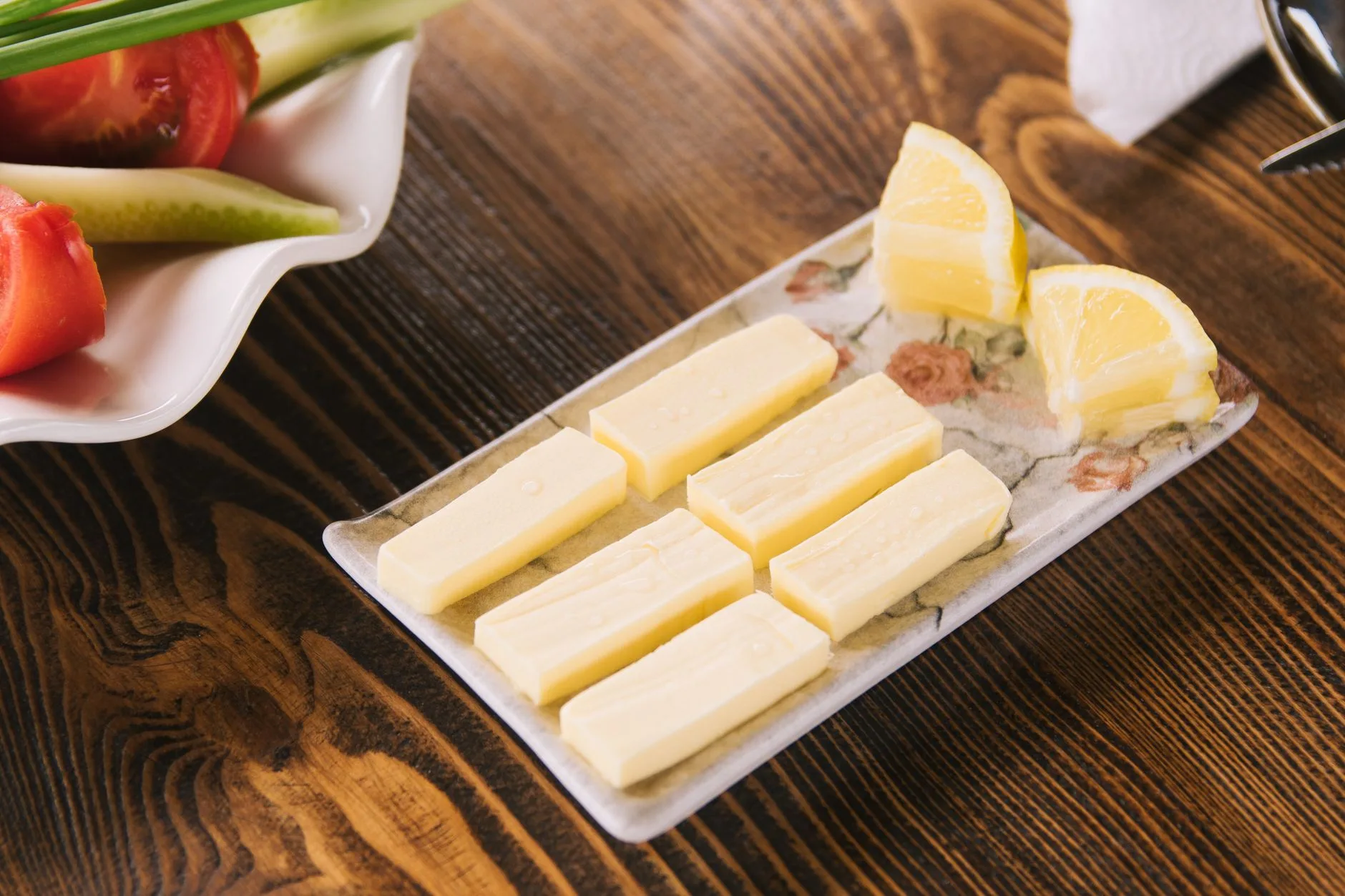
Taste for acidity with a simple sequence. Take a small sip of wine. Swallow it. Wait a few seconds without taking another sip. Notice whether the mouth feels refreshed and ready for food, or coated and slightly tired. Then take a bite of something plain but fatty, such as a piece of mild cheese or buttered bread, and repeat. The contrast makes the role of acid easier to identify.
Fat needs a reset, not necessarily a bigger wine
Fat carries flavour and gives food texture. Butter, cream, oil, cheese, pastry, pork belly, duck skin and richly marbled meat all leave a coating in the mouth. Acidity cuts through that coating. It does not remove the flavour; it resets the palate so the next bite still has definition.
The common mistake is to answer richness with more richness. A buttery dish and a broad, low-acid wine can seem agreeable for the first mouthful. Soon both food and wine start to blur. The wine appears heavy, the dish appears heavier, and the finish loses shape.
For a rich dish, look first for a wine with evident freshness. It does not have to be light. A structured white with firm acid can suit cream, shellfish, roast chicken with a rich preparation, or cheese-based dishes. A red with bright acidity can work with fatty meats when its tannins are not excessive. The relevant question is not whether the wine feels substantial on its own. It is whether it leaves the mouth clear enough for the next bite.
Use the dish's dominant fat as the test. Olive oil calls for freshness, especially where the food is otherwise simple. Cream and butter need acid that can stay visible through a softer texture. Fatty meat needs acidity, but also restraint in tannin if the cooking leaves the meat tender rather than charred. A heavily charred surface can take more tannin; a soft braise usually cannot.
Salt makes acidity more useful and tannin less forgiving
Salt changes wine quickly. It can make a wine seem rounder, less bitter and more expressive. This is why crisp whites and sparkling wines often work so well with salty food. The salt opens the fruit and the acidity keeps the combination lively.
But salt also reveals flaws in a pairing. A wine with low acidity can become slack beside cured meat, salty cheese, fried food or a dish seasoned with soy-based sauces. A heavily tannic red can become more astringent, particularly when the food is salty but not very fatty.
When salt is a clear feature of the plate, make acidity the first requirement and tannin the second. Wines with a clean, dry finish are usually safer than wines relying on sweetness or oak for interest. This applies to fried food as well. The important element is not the frying itself but the combination of oil, salt and often a sharp condiment. The wine needs enough acid to meet all three.
Taste the food before deciding. A salted roast potato and an unsalted boiled potato are not the same pairing problem. Neither are a fresh tomato salad and one finished with salty cheese, olives or anchovy. Small additions can shift the best wine style more than the main ingredient does.
Sweetness changes the order of operations
Food sweetness makes wine seem less sweet, less fruity and more acidic. It can also make tannin feel harder and alcohol feel more obvious. That is why a dry red can turn unpleasant next to a sweet glaze, caramelised root vegetables, sweet chilli sauce or a dessert containing fruit and sugar.
The reliable rule is simple: the wine should be at least as sweet as the food. In practice, that means treating sweet elements as part of the main pairing rather than as a garnish. A spoonful of chutney, a honey dressing or a sweet reduction can matter more than the meat or vegetable underneath it.
Acidity still matters in sweet wines. Without it, sweetness can feel sticky and tiring. A sweet wine with clear acidity has shape. It can work with fruit desserts, lightly sweet pastries, blue cheese or dishes that balance sweetness with spice and salt. The acid gives the sweetness a finish rather than allowing it to sit heavily on the palate.
For a practical test, taste the wine beside a small piece of ripe fruit, then beside the same fruit with a little lemon juice. If the wine suddenly seems more balanced with the lemon, acidity is likely the missing element in the food. If the wine becomes aggressively sharp, the dish may need more sweetness, fat or texture instead.
At the table, assess the finish after food, not after wine alone. If the next sip feels flat, choose more acidity. If it feels sour and severe, reduce the acid contrast with a riper, softer element in the dish or a less sharp wine. That small adjustment solves more pairings than changing from white to red ever will.