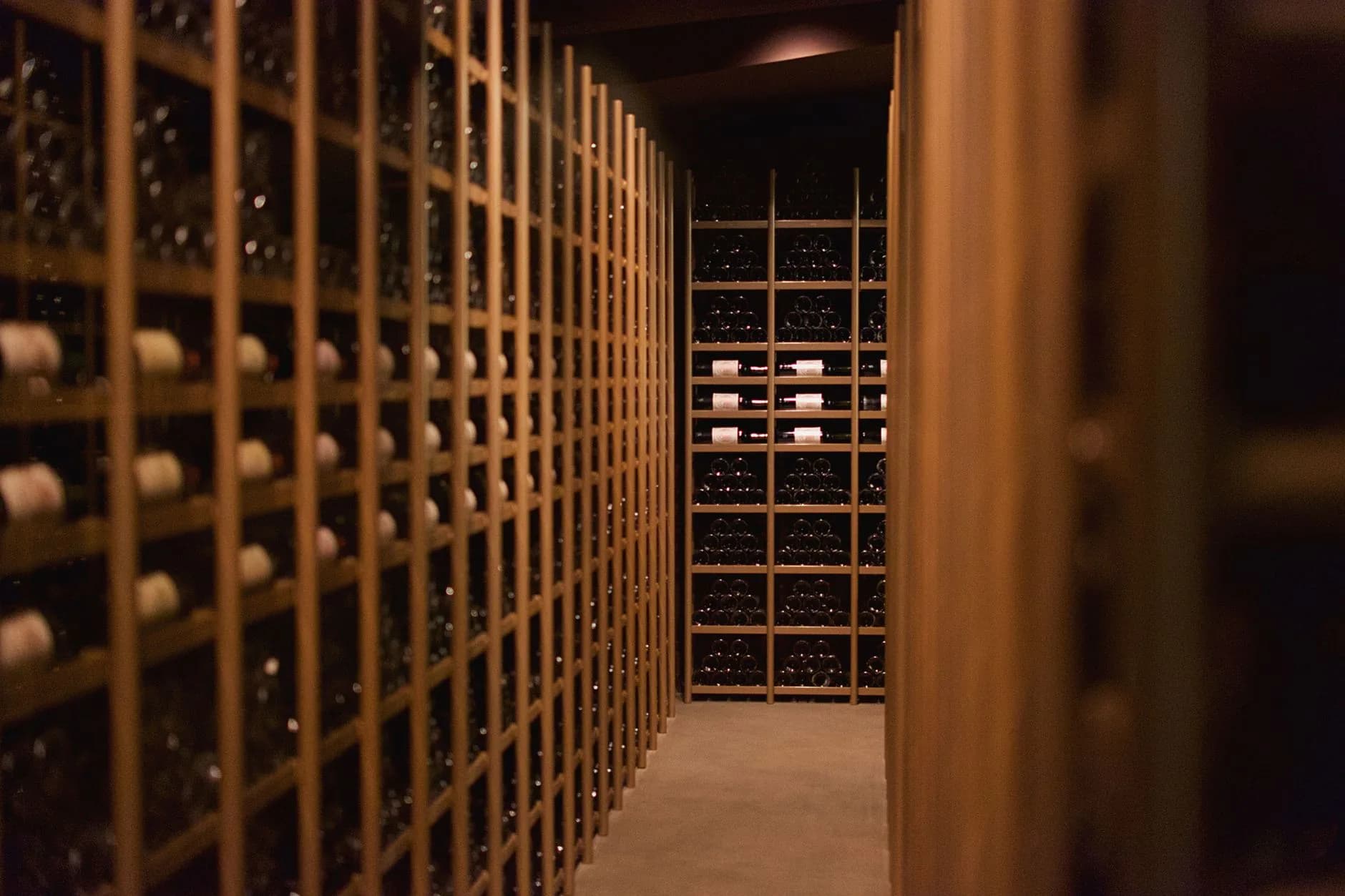
Heat does more damage to stored wine than the other usual cellar worries. Get that under control first. Then deal with temperature swings, light, and the condition of the closure. Vibration, humidity, and household smells matter, but they are not equal threats.
That order helps when storage is imperfect, which is common. A dark cupboard with a steady moderate temperature can be a better home for wine than a handsome rack beside a radiator. A purpose-built cabinet is useful because it controls the things that matter, not because wine needs a theatrical cellar.
1. Avoid sustained heat and heat spikes
Heat pushes wine forward too quickly. It can flatten fruit, disturb balance, and produce the dull, tired character often described as cooked. At a more obvious level, high heat can force wine against the closure. A pushed cork, seepage around a capsule, or a sticky bottle shoulder is a warning sign.
The important point is not to chase one magic number. It is to avoid hot conditions and, especially, short periods of serious heat. A bottle kept reasonably cool for most of the year can still be harmed by a few days in a hot loft, an unventilated kitchen cupboard, a car boot, or a room that catches strong afternoon sun.
Act on this first:
- Keep wine away from radiators, boilers, hot-water pipes, ovens, and appliance vents.
- Do not use a loft, garage, conservatory, or shed unless its temperature is known to stay suitable through the year.
- Choose the coolest stable internal location, not the most convenient display location.
- Check the area during the hottest part of the day and during a heatwave, rather than judging it on an ordinary morning.
A storage space does not need to be cold. It does need to avoid becoming hot.
2. Reduce large and repeated temperature changes
Temperature movement is not harmless simply because the average temperature looks acceptable. When a bottle warms and cools repeatedly, the liquid and the air space in the bottle expand and contract. Over a long period, that puts unnecessary pressure on the closure.
This is why a place that changes sharply every day is a poor choice even if it is never very hot. An external wall cupboard can be worse than an interior cupboard. A rack in a dining room may look sensible until central heating turns it into a warm, dry space each evening. Storage next to a kitchen can have the same problem whenever cooking begins.
Small seasonal movement is less concerning than regular sharp swings. No ordinary home holds one exact temperature all year. The aim is steadiness, not laboratory precision.
Act on this by looking for places with thermal mass and little daily disturbance:
- Interior cupboards usually change more slowly than cupboards on outside walls.
- Lower levels of a building are often steadier than upper floors.
- Keep bottles away from doors, windows, and frequently heated rooms.
- If using a wine cabinet, give it clear ventilation and do not place it where a heat source will make it work against the room.
A thermometer that records minimum and maximum readings is more useful than a single spot reading. It reveals the range a bottle actually experiences.
3. Keep light off bottles, especially direct light
Light is a real storage problem, though it usually works more slowly and less dramatically than heat. Direct sunlight is the obvious risk because it brings heat as well as light. Bright artificial light can also be unhelpful when bottles sit under it for long periods.
Green and brown glass offer some protection. Clear glass offers less. But glass colour is not a reason to leave any bottle in a bright display. The practical rule is simpler: wine intended for keeping belongs in the dark.
This does not require a special room. A closed cupboard, a covered rack in a suitable location, or the enclosed interior of a cabinet will do the job.
Act on this with a blunt test: if a book can be read easily by the light falling directly on the bottles for much of the day, move the bottles or block the light. Do not rely on foil capsules, labels, or dark glass to solve a bad location.
4. Protect the closure, then stop worrying about minor rituals
For bottles closed with natural cork, side storage remains sensible because it keeps wine in contact with the cork. The goal is to reduce the chance of the cork drying out over long storage. Bottles under screwcap, crown cap, or other non-cork closures do not need to lie down for that reason, although lying them down may save space.
Humidity belongs in this part of the discussion. Extremely dry conditions can be unhelpful for corks over extended periods. But humidity is often exaggerated as a household storage concern. Damp labels, mouldy cartons, and corroded capsules are not signs of ideal conditions. The wine needs a sound seal; the collector does not need to create a cave.
Vibration also gets more attention than it deserves. Do not put bottles on top of a washing machine, beside heavy machinery, or where they are constantly knocked about. Beyond that, the occasional movement involved in normal household life is not the first storage issue to solve.
Finally, check bottles rather than treating storage as a set-and-forget task. Look for seepage, a cork lifting, unusual staining around the closure, or a fill level that appears low for the bottle's age and condition. Separate any suspect bottle from the rest and plan to open it sooner rather than later.
Put the best storage spaces aside for bottles meant to be kept. Use the less stable spaces for bottles intended to be opened in the near term. That one sorting decision usually matters more than buying extra racks, thermometers, or cellar accessories.