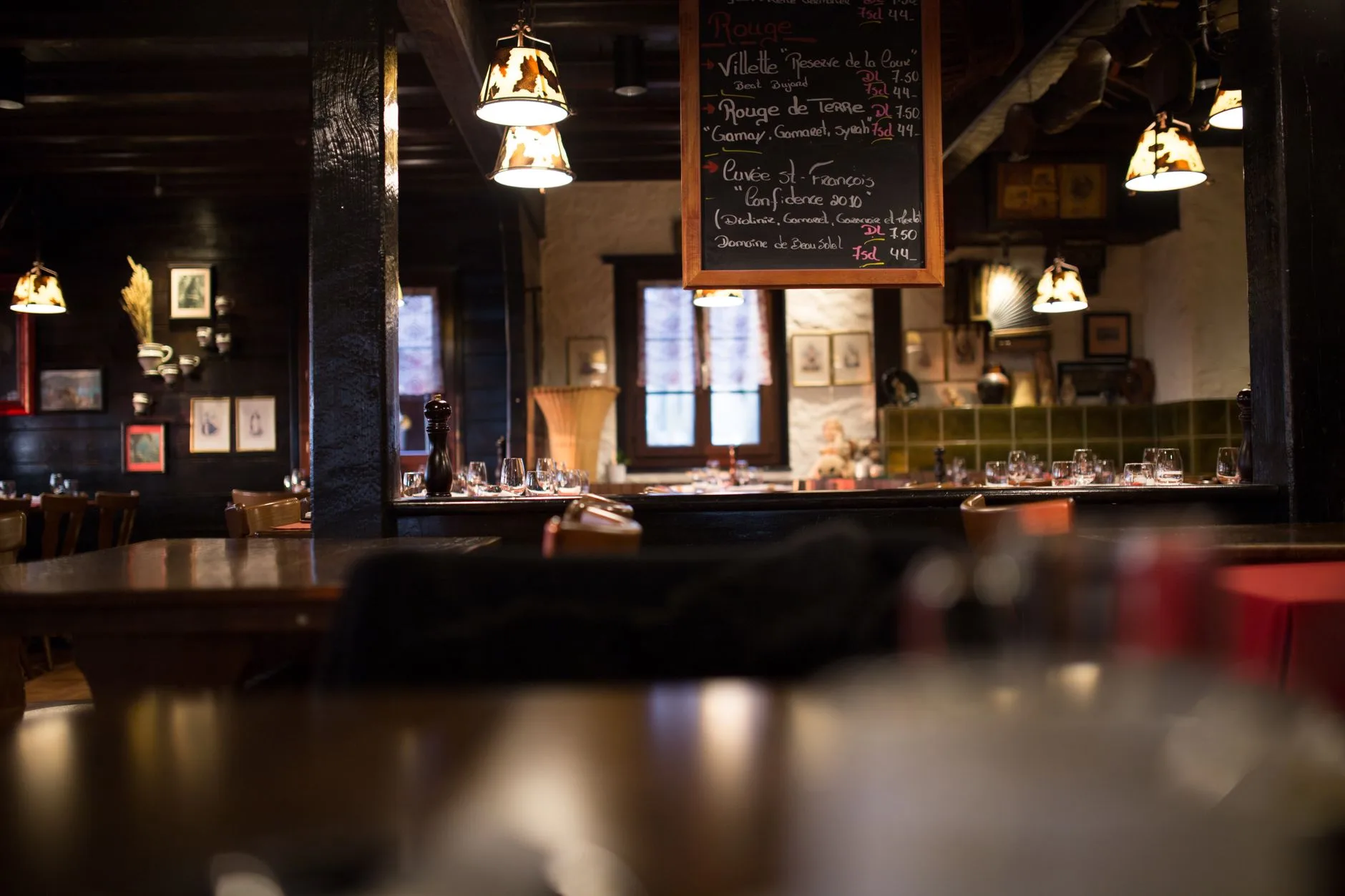
A wine list should be written for the kitchen it sits in. If the menu and the list are built by people who never speak, both can look competent on paper and still work badly together.
The failure is not usually that every wine is wrong. It is that the list has no answer to the food the restaurant actually serves. There may be plenty of bottles, but no useful choice for a raw fish dish with chilli, a rich vegetable plate, a grilled fatty fish, or a dessert that is less sweet than the wines offered beside it. Staff then have to improvise around holes that should not exist.
The starting point is not grape varieties, famous regions, or a preferred supplier catalogue. It is the menu's structure.
Read the food by its pressure points
A dish is not defined only by its main ingredient. Chicken can be light, smoky, creamy, spicy, fried, or served with sharp fruit. Each version asks for something different. Calling all of them “white wine food” is not useful.
Start by marking the pressure points in every dish: acidity, salt, chilli, sweetness, fat, smoke, char, bitterness, umami, and weight. Also note temperature and texture. A chilled seafood dish with citrus has a different shape from a roast shellfish dish with butter, even when the core ingredient is similar.
Then identify the dominant pressure point, rather than trying to pair every component separately. A steak with pepper sauce is not simply red-meat territory. The sauce may make a heavily tannic red seem dry and hard. A salad with a salty cheese and a sharp dressing may need a wine with enough freshness to stay clear of the dressing, not merely a light wine because it is a salad.
This does not require one wine per dish. It requires the list to cover the main shapes of the menu. A restaurant serving food with sharp dressings, pickles, herbs, seafood, and lighter sauces needs several wines with genuine freshness. A menu built around roasting, grilling, brown sauces, mushrooms, and aged cheeses needs reds with enough structure, but also whites that can handle fuller textures.
Make a simple working grid. Put the dishes down one side and the relevant wine styles across the top. The styles can be broad: crisp dry white, textured dry white, aromatic white with a touch of sweetness, light red, medium red, fuller red, sparkling, sweet wine, and fortified wine where appropriate. Mark which styles work with each dish. Empty rows are problems to solve.
Build around recurring dishes, not chef favourites
A menu changes, but some patterns remain. A restaurant may always have a raw or lightly dressed starter, a fried item, a rich fish course, a vegetable-led main, a grilled meat dish, and a dessert. Those are the anchors for the wine list.
The list should give each anchor more than one plausible route. Not a dozen routes. Two or three is usually enough to allow for different tastes and budgets without creating a puzzle.
For example, a menu with fried food and salt needs more than a token sparkling wine if fried dishes are a regular part of the offer. A menu with spicy or aromatic dishes may need an aromatic white and a red with modest tannin. A menu where vegetables are central cannot treat wine as an afterthought to meat. Bitter greens, smoked aubergine, squash, pulses, mushrooms, and fresh herbs all create different demands.
This is also where a list can expose a menu blind spot. If a dish has no convincing wine partner, that does not automatically mean the wine list is at fault. The kitchen may need to adjust a garnish, sauce, seasoning level, or the way a component is cooked. A very sweet glaze, an aggressively sharp dressing, or a chilli level that overwhelms everything else can close off most of the list.
The useful conversation is specific. Not “we need better pairings,” but “this dish is salty, hot, and slightly sweet; which wines on the list still work, and do we need to change the dish or add a wine style?” That gives the kitchen and front of house something they can test.
Check the order in which the food is eaten
A list can fit individual dishes and still fail across a meal. This happens when the wines are too heavy too early, too dry beside dessert, or unable to recover after heat, vinegar, or smoke.
Look at the likely progression of an order. If guests begin with oysters, cured fish, salads, or small plates with bright seasoning, the opening wines need to be clean and refreshing. If the meal then moves into richer dishes, the list needs enough range to move with it. A full-bodied red may be appropriate later, but it is not a universal starting point.
Dessert is a frequent point of neglect. A wine served with dessert should generally be at least as sweet as the dish. If it is less sweet, it can taste thin or severe. The practical alternative is simple: offer a suitable sweet option, steer toward cheese or a savoury finish when that is more appropriate, or accept that dessert is better with coffee or tea than with an unsuitable glass of wine.
Do the same check for menus designed for sharing. Shared plates bring several flavours to the table at once, so the best wine is often the one that can tolerate a range of salt, herbs, spice, and texture. This may favour flexible whites, sparkling wines, and lower-tannin reds over a narrow, forceful style. The answer depends on the dishes, not on a rule about cuisine.
Run this test with the actual menu order, not isolated tasting samples. Choose a starter, main course, and dessert as a guest might. Then ask whether the wine choices become easier or harder as the meal goes on.
Make the list usable during service
The final test happens at the table. A wine list connected to the kitchen lets staff make clear recommendations quickly. They should be able to point to a few wines for the dishes that cause the most questions, including the dishes with spice, rich sauces, unusual vegetables, and desserts.
Write an internal pairing sheet that names dishes, not vague categories. “Works with the roasted cauliflower and the grilled trout” is more useful than “good with food.” Keep it current when the menu changes. If a seasonal garnish changes a dish from fresh and herbal to sweet and smoky, the pairing note may need to change too.
Before printing a revised list, sit down with the current menu and find three answers for every major section: what works with the lightest dish, what works with the richest dish, and what works with the awkward dish. The awkward dish is where a disconnected list reveals itself first.