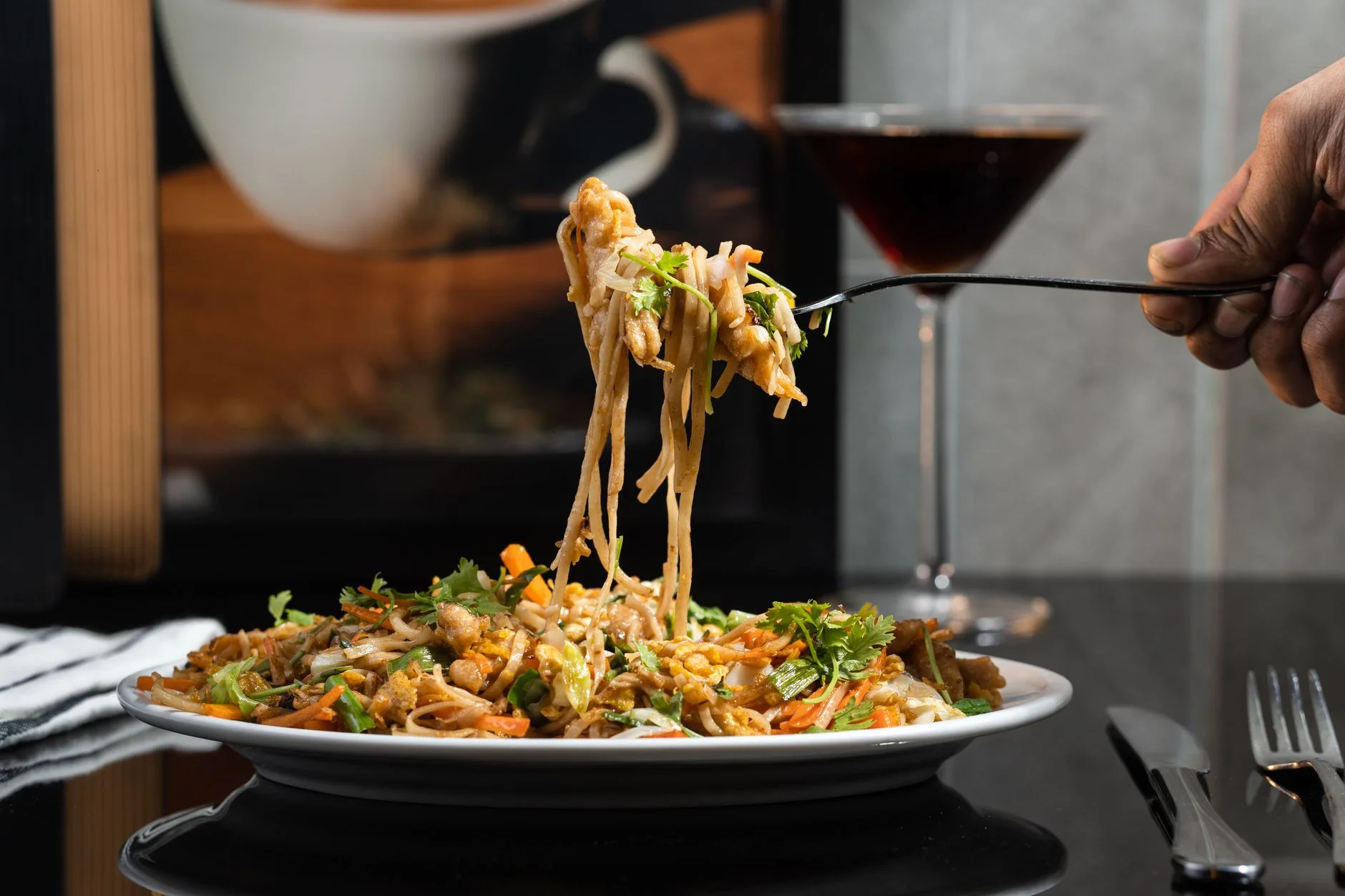
Spicy food does not need a powerful wine to stand up to it. It needs a wine that reduces the sense of heat rather than adding another source of irritation.
That is why a large, tannic red is usually a poor answer to a genuinely hot dish. Its alcohol brings its own warming sensation. Its tannin dries the mouth. Oak can add bitterness and spice-like flavours. Put all three beside chilli and the result is often hotter, rougher and less clear than either the food or wine was alone.
The useful starting point is simple: choose a cool wine with modest alcohol, low tannin and some sweetness. It need not be a sweet wine. A small amount of residual sugar can make a substantial difference.
Chilli changes what the palate notices
The burn from chilli comes from capsaicin, which activates the receptors that register heat and pain. It is not one of the basic tastes in the way that salt, sweet or sour are. That matters because a wine can taste balanced on its own and still be actively uncomfortable with hot food.
Alcohol is the first problem. It can make a dish feel hotter, especially when the wine is full-bodied or served too warm. This is why a dense red, a high-alcohol white or a fortified style is rarely the sensible place to start. The wine may have plenty of flavour, but flavour is not the missing element. Relief is.
Tannin is the second problem. Tannin creates a drying, grippy feeling on the gums and tongue. Chilli already leaves the mouth sensitive. Adding dryness can make the burn seem sharper and more persistent. Strong tea is a useful comparison: it may be pleasant by itself, but it is not usually what is wanted when the tongue is on fire.
There is a third issue with heavily oaked wine. Toast, char and sweet spice from oak can seem exaggerated beside chilli. The combined effect can become bitter, hot and tiring. This is not a rule against red wine with all spicy food. It is a rule against treating a bold red as the automatic serious choice.
Act on this by reading the label or shelf description for alcohol level and style. Favour modest alcohol, little or no new oak, and low tannin. If the description leads with power, structure, concentration or barrel ageing, leave it for a less fiery meal.
A little sweetness does real work
Residual sugar is one of the most useful tools in spicy-food pairing. It softens the perception of chilli and gives the palate a pause between bites. The right amount does not turn the meal into dessert. It simply stops the wine from fighting the food.
Off-dry aromatic whites are the dependable category. Riesling is often a good candidate, particularly in an off-dry style. Chenin blanc can work when it has some sweetness and is not dominated by oak. Other fragrant white styles can be useful too, provided they are not very high in alcohol.
The word “dry” deserves care here. A fully dry wine can still be fruity, but fruit flavour is not the same as sugar. A wine described as off-dry, medium-dry or gently sweet is more likely to bring the cushioning effect that chilli needs. Do not be put off by that language. With a hot curry, a chilli-rich noodle dish or a fiery sauce, a touch of sweetness is often more balanced than a stern dry wine.
Sparkling wine can also help, especially if it is not bone dry. Cold temperature and bubbles freshen the mouth, while a little sweetness prevents the finish becoming austere. Very dry sparkling wine is less reliable with serious heat, since its acidity and dry finish can feel severe.
Serve these wines cold, but not frozen. A white that has spent time in a normal refrigerator is generally in the right area. If it warms in the glass, return it to an ice bucket or fridge. Temperature is not a decorative detail here; it affects how strongly alcohol and sweetness are perceived.
Identify the kind of spicy dish
Not every dish called spicy behaves in the same way. Separating chilli heat from other pungent flavours makes the choice more precise.
For dishes driven by fresh or dried chillies, begin with off-dry aromatic white wine. This is the broadest and safest answer. It works because the wine has fragrance without needing tannin, and because the sweetness deals directly with the burn.
For chilli dishes that also contain coconut milk, peanut, sesame or another rich ingredient, the same approach applies, but a wine with a bit more body can be useful. The key is still low tannin and restrained alcohol. Richness in the food does not make a muscular red suddenly suitable.
For Sichuan-style heat, where chilli may be joined by the numbing effect of peppercorn, choose something clean, lightly sweet and cold. Avoid reds with strong tannin and oak. The numbing sensation can make their bitterness and dryness seem oddly metallic.
For hot food with a strong sour element, such as lime, tamarind or vinegar, avoid wines that are both very dry and sharply acidic. The combination can be hard-edged. A modestly sweet white is usually more forgiving. For smoky chilli, a lightly chilled, low-tannin red may work if the heat is moderate, but it should be treated as the exception rather than the default.
Mustard, horseradish, ginger and black pepper create pungency, but they do not behave exactly like chilli. A dry wine can be more successful with those ingredients, particularly if the dish has little actual chilli heat. Do not use the word “spicy” as a shortcut. Find out what is producing the sensation.
Keep the choice simple at the table
When the meal includes serious chilli, make the wine easier rather than more impressive. Open one cool, low-tannin bottle with a little sweetness before reaching for a structured red. Keep water on the table, and avoid letting the wine warm up through the meal.
If red wine must be served, choose a low-tannin style, avoid heavy oak and chill it slightly. Do not expect it to cool the heat; the aim is simply to avoid making it worse. If the first sip makes the chilli flare, that is useful evidence. Put the red aside and switch to the cold, gently sweet white.